
Abbasid Caliphate
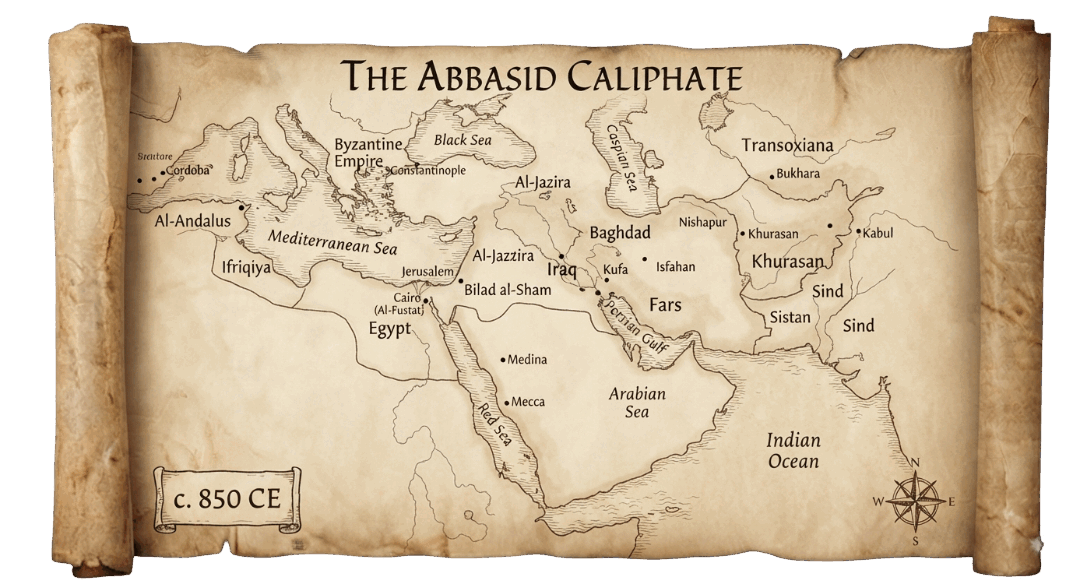
The Abbasid Caliphate turned Baghdad into the ultimate ancient food-delivery network, pulling ingredients in from Persia, the Mediterranean, and as far as India and China along its trade routes. Mutton was the prized meat, bread was a mark of wealth, and cooks blended sweet and savory with rosewater, saffron, cinnamon, and almonds. Grand banquets at the caliph's court showcased dishes with layered spice, while everyday households leaned on grains, lentils, and whatever the caravans had just brought in.
Food in Abbasid Baghdad was also a form of scholarship—cookbooks like Kitab al-Tabikh recorded recipes with the same care given to poetry or science, preserving the earliest known written Arabic cuisine. Sweet-and-sour sauces, slow-cooked stews, and elaborate spice blends reflected a society that treated the kitchen as seriously as the court. The Abbasid culinary legacy still shapes Middle Eastern and North African cooking today, from pilaf to rich, spiced meat dishes.