
Holidays & Special Occasions
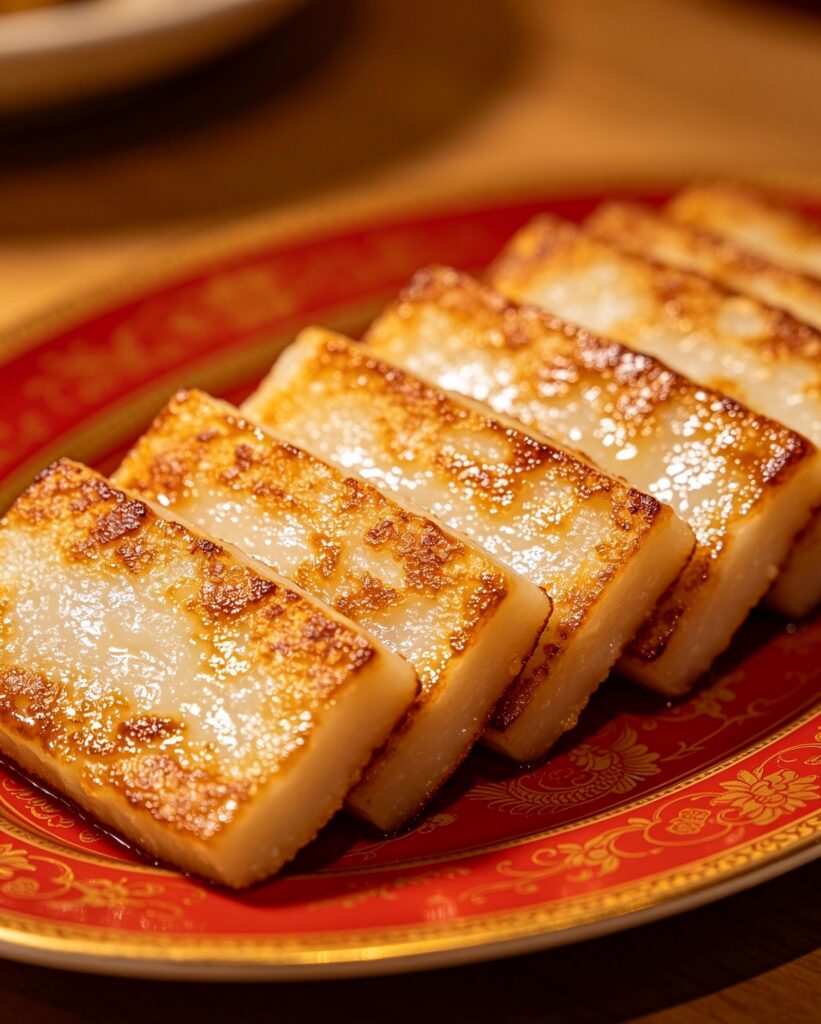
Nian Gao (Sticky Rice Cake for Lunar New Year)
The Quirky Foodster Team
Ingredients
- 400 g (3 1/3 cups) glutinous rice flour
- 250 g (1 1/4 cups) dark brown sugar
- 350 ml (1 1/2 cups) water
- 3 tbsp vegetable oil, plus extra for greasing
- 2 tbsp red dates, sliced (optional garnish)
Method
- Dissolve the brown sugar in the water over low heat, stirring until fully melted; allow to cool slightly.
- Gradually whisk the sugar syrup into the glutinous rice flour along with the oil, mixing until a smooth, lump-free batter forms.
- Grease a round cake tin and line with parchment paper, then pour in the batter.
- Arrange the sliced red dates on top, if using.
- Steam over vigorously boiling water for 60-75 minutes, topping up the water as needed, until the cake is fully set and a skewer comes out clean.
- Cool completely before slicing; nian gao is traditionally sliced and pan-fried in a little oil (sometimes dipped in beaten egg) before serving.
Introduction: Nian Gao, meaning 'year cake', is a chewy, sweet steamed rice cake eaten during Lunar New Year celebrations.
Cultural Background: Nian Gao, meaning 'year cake', is a chewy, sweet steamed rice cake eaten during Lunar New Year celebrations. Its name is a homophone for 'higher year', symbolising hopes for progress, growth and prosperity in the coming year.
Tips: Steam over consistently high, rolling heat for even cooking through the dense batter. Let the cake cool and firm up fully, ideally overnight, before slicing for the cleanest cuts.
Variations: Add a layer of red bean paste in the centre before steaming for a filled variation. Slice thinly and pan-fry until caramelised at the edges as a traditional way to serve leftovers.
Storage: Store wrapped at room temperature for up to 2 days, or refrigerate for up to 2 weeks.
Reheating: Slice and pan-fry in a little oil until warmed through and lightly caramelised, or re-steam whole slices.
Nutrition: Approx. 210 kcal, 2g protein, 3g fat, 44g carbohydrate per slice.
FAQs
Q: Why is nian gao eaten at Lunar New Year?
A: Its name is a homophone for 'higher year' in Chinese, symbolising wishes for improvement, growth and prosperity in the year ahead.
Q: How is nian gao traditionally served?
A: It is usually sliced and pan-fried, sometimes dipped in beaten egg first, giving a caramelised, slightly crisp exterior around the chewy interior.
Please log in to leave a comment.