
Holidays & Special Occasions
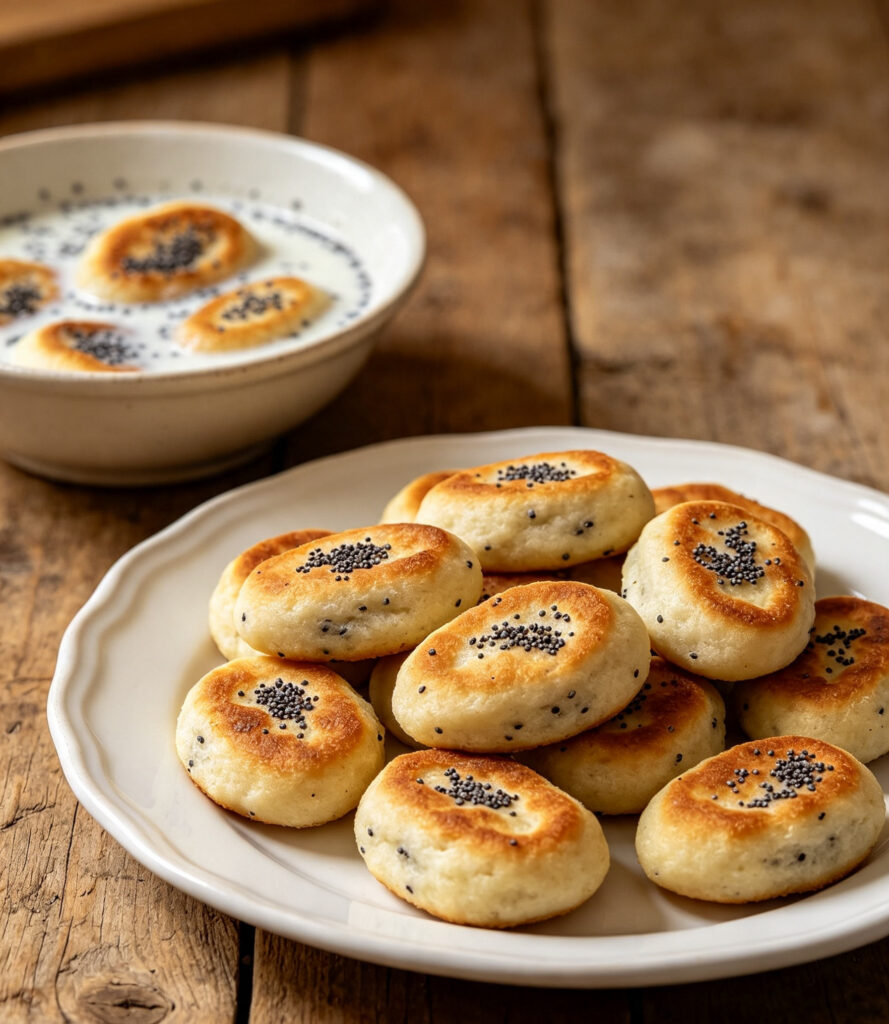
Kūčiukai
Ingredients
- 500g (4 1/4 cups) Flour
- 250ml (1 cup) Warm water
- 7g (2 3/4 tsp) Dried yeast
- 2 tbsp (16g) Poppy seeds
- 1 tbsp (12g) Sugar
- 1 tsp (2g) Salt
- 2 tbsp (30g) Vegetable oil
- Poppy seed milk (aguonpienis), for serving
Method
- Dissolve the yeast in the warm water with the sugar and leave for 10 minutes until foamy.
- Combine the flour, salt, poppy seeds, oil, and yeast mixture into a firm dough; knead for 8 minutes until smooth.
- Cover and prove in a warm place for about an hour, until doubled.
- Divide into small, walnut-sized pieces and shape into rough ovals; arrange on a baking tray.
- Prove for a further 15 minutes.
- Bake at 200°C (400°F) for 12-15 minutes until pale golden and firm.
- Cool completely and serve soaked in cold poppy seed milk (aguonpienis).
Introduction: Kūčiukai take their name from Kūčios, the solemn Lithuanian Christmas Eve meal, where these small poppy seed buns soaked in poppy seed milk are one of the twelve traditional meat-free dishes served.
Cultural Background: Kūčiukai take their name from Kūčios, the solemn Lithuanian Christmas Eve meal, where these small poppy seed buns soaked in poppy seed milk are one of the twelve traditional meat-free dishes served.
Tips: Bake these until firm but still pale — they should be crisp enough to stay whole when soaked, not soft or bready.
Variations: Serve dry as a simple snack outside the holiday season, or soak in sweetened plant milk for a dairy-free version of the traditional presentation.
Nutrition: Approx. 55 kcal, 2g protein, 1g fat, 10g carbohydrates per bun (dry, before soaking).
FAQs:
Q: What is poppy seed milk?
A: A traditional Lithuanian drink made by soaking and blending poppy seeds with water and sugar, used as the soaking liquid for kūčiukai on Christmas Eve.
Q: Why 12 dishes at Kūčios?
A: Lithuanian Christmas Eve tradition calls for 12 meat-free dishes on the table, one for each apostle, and kūčiukai are one of the most recognisable of them.
Please log in to leave a comment.