
Lunches
Wali wa Nazi
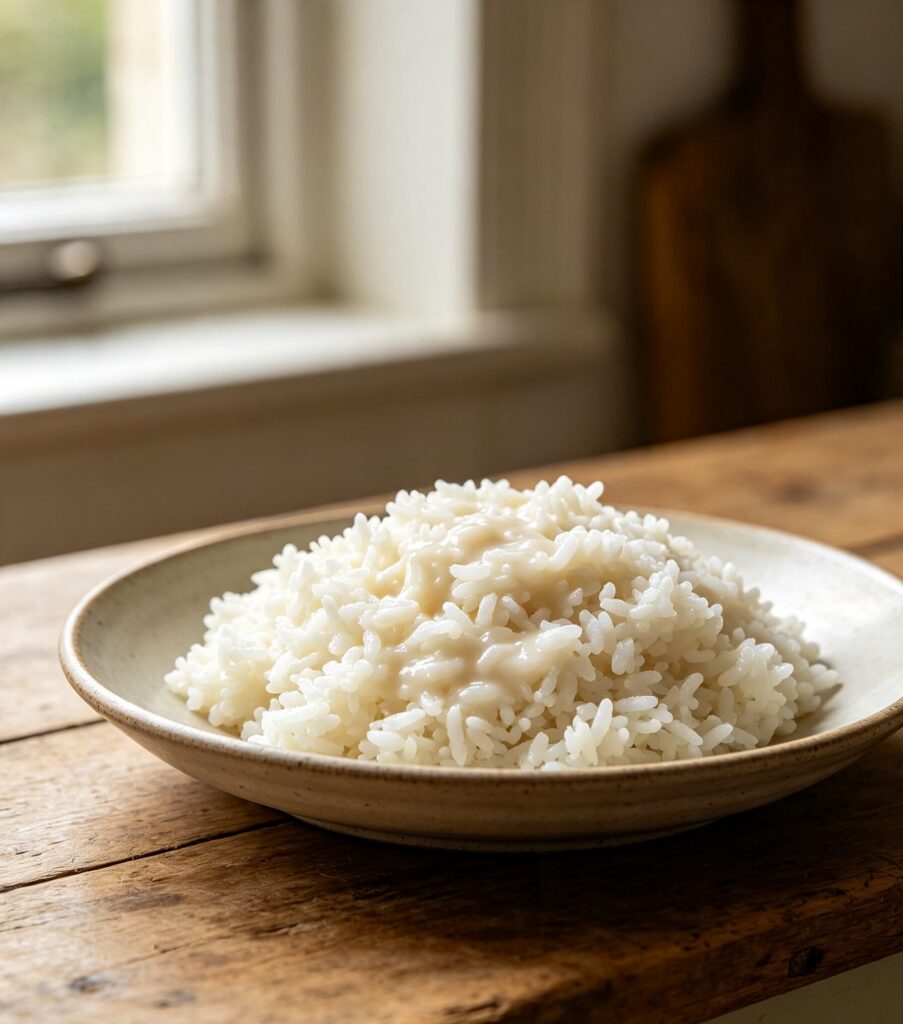
Ingredients
- 400 g (2 cups) basmati or long-grain rice, rinsed
- 400 ml (1 3/4 cups) coconut milk
- 400 ml (1 3/4 cups) water
- 1 tsp (6 g) salt
- 1 tbsp (15 g) sugar (optional, for a hint of sweetness)
- 2 cardamom pods, lightly crushed (optional)
Method
- Rinse the rice under cold water until the water runs clear, then drain well.
- In a saucepan, combine the coconut milk, water, salt, sugar and cardamom pods. Bring to a gentle boil.
- Add the rinsed rice, stir once, and return to a boil.
- Reduce heat to low, cover tightly, and simmer for 15-18 minutes, without lifting the lid, until the liquid is absorbed and the rice is tender.
- Remove from heat and let stand, covered, for 5-10 minutes.
- Fluff with a fork before serving.
Introduction: Wali wa Nazi, meaning 'coconut rice' in Swahili, is a staple of the Kenyan coast where coconut palms line the shores of Mombasa and Lamu.
Cultural Background: Wali wa Nazi, meaning 'coconut rice' in Swahili, is a staple of the Kenyan coast where coconut palms line the shores of Mombasa and Lamu. Rice is simmered in fresh coconut milk with minimal seasoning, letting the natural sweetness of the coconut shine through, and is traditionally paired with fish or meat curry for a satisfying coastal lunch.
Tips: Do not lift the lid while the rice is simmering, as this releases steam needed for even cooking. Use full-fat coconut milk for the richest, most authentic flavour. Toasting the rice briefly in a little oil before adding liquid adds extra depth.
Variations: Some cooks add a pandan leaf or a stick of cinnamon for extra aroma; a saltier, less sweet version is common when serving alongside spicy curries. Naturally vegan and vegetarian as written.
Storage: Refrigerate in an airtight container for up to 3 days.
Reheating: Reheat in a covered saucepan over low heat with a splash of water, or microwave covered for 1-2 minutes, fluffing afterwards.
FAQs:
Q: Can I use light coconut milk?
A: Yes, though the dish will be less rich; full-fat coconut milk gives the most authentic, creamy result.
Q: What is Wali wa Nazi traditionally served with?
A: It is most often paired with fish curry, chicken curry (like Kuku Paka) or bean stews.
Please log in to leave a comment.