
Tongba
The Quirky Foodster Team
Ingredients
- Fermented millet — 2 cups (finger millet, prepared with a traditional starter culture)
- Hot water, as needed
Method
- Fill a traditional tongba vessel (or a suitable heatproof jug) about two-thirds full with the fermented millet.
- Pour hot water over the millet, filling the vessel nearly to the top.
- Let steep for 5–10 minutes, allowing the hot water to draw out the alcohol and flavour from the fermented grain.
- Insert a bamboo straw with a filter tip (or a fine straw) into the vessel, positioned to draw the liquid while filtering out the grain.
- Sip the warm, mildly alcoholic liquid directly through the straw.
- Refill with hot water as the liquid is consumed, continuing to draw further, lighter infusions from the same millet.
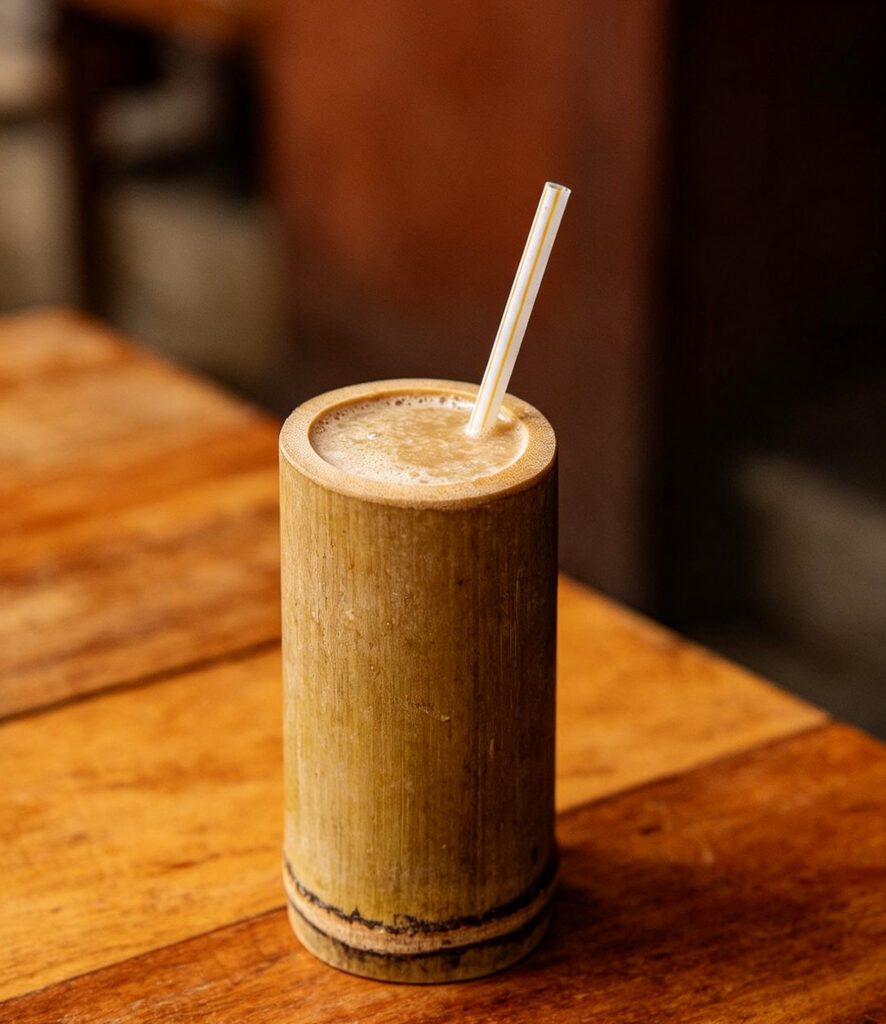
Introduction: A warm, mildly alcoholic millet beer sipped through a bamboo straw from a wooden vessel, a traditional drink of Nepal's eastern hill regions.
Cultural Background: Tongba is closely associated with the Limbu and Rai communities of eastern Nepal, its preparation using fermented millet and communal drinking vessel reflecting a distinct highland brewing tradition passed down through generations.
Tips: The fermented millet itself must be prepared well in advance using a traditional starter culture — this is a specialised process best learned from an experienced maker. Refilling with hot water multiple times is traditional, with each subsequent pour giving a slightly milder drink.
Variations: Regional variations exist in the exact fermentation technique and millet preparation. Some households add a pinch of ginger to the hot water for extra warmth.
Storage: The fermented millet base can be stored in a cool, dry place for future use, following proper fermentation food safety practices.
Reheating: Refill with fresh hot water as needed rather than reheating the same liquid.
FAQs:
Q: Is tongba strongly alcoholic?
A: It's generally mild, especially in the first pour, with subsequent refills becoming progressively lighter.
Q: Where is tongba most associated with?
A: Eastern Nepal's hill regions, particularly among the Limbu and Rai communities.
- Fermented millet — 2 cups (finger millet, prepared with a traditional starter culture)
- Hot water, as needed
Please log in to leave a comment.