
Breads
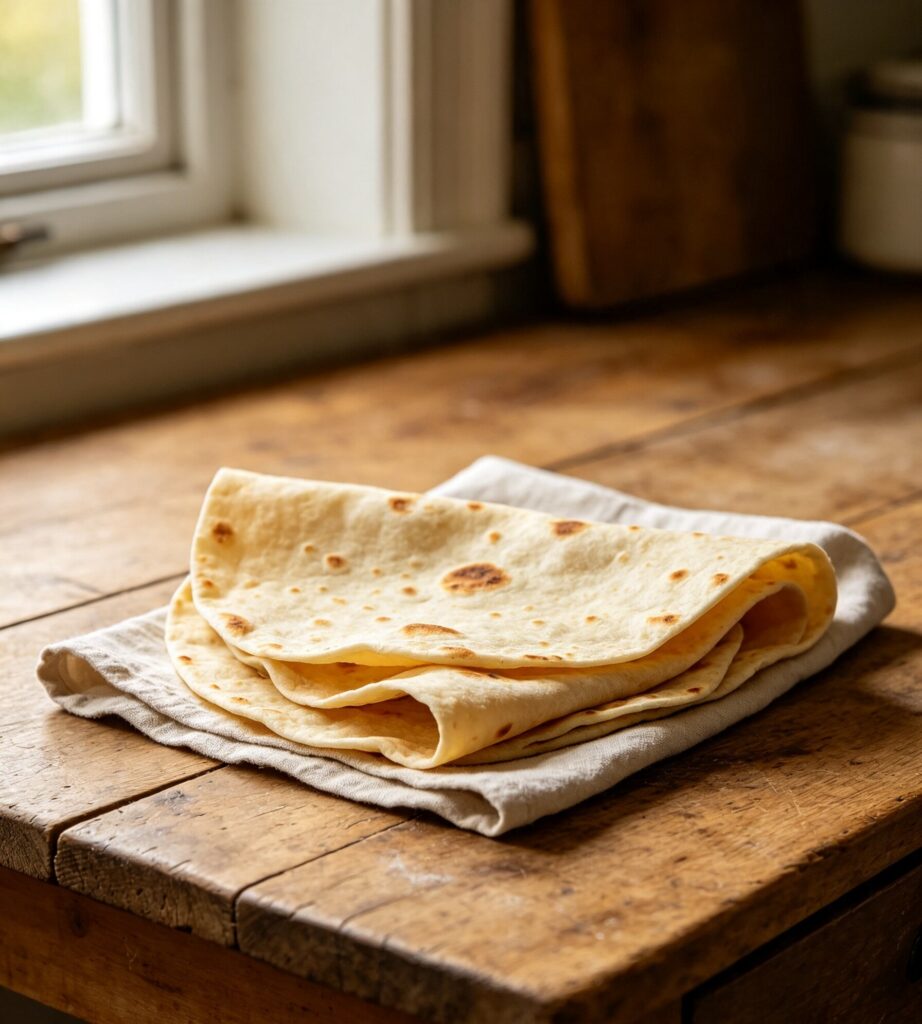
Shelpek
Ingredients
- 500 g (3 3/4 cups) all-purpose flour
- 1 tsp instant yeast
- 1/2 tsp salt
- 1 tsp sugar
- 300 ml (1 1/4 cups) warm milk
- 1 egg
- Vegetable oil, for frying
Method
- Dissolve the yeast and sugar in warm milk and let sit for 5-10 minutes until foamy.
- Mix the flour and salt in a large bowl, then add the yeast mixture and egg, kneading into a soft, smooth dough.
- Cover and let rise in a warm place for 45 minutes to 1 hour.
- Divide the dough into small balls and roll each out into a thin round, about 15 cm (6 inches) in diameter.
- Heat a shallow layer of oil in a frying pan over medium heat.
- Fry each flatbread for 1-2 minutes per side until puffed and golden brown, pressing gently with a spatula to encourage even puffing.
- Drain on paper towels and serve warm, traditionally in odd numbers per plate for ceremonial occasions.
Introduction: Shelpek are thin, round fried flatbreads traditionally made in odd numbers for memorial and religious occasions, where they are distributed to neighbours and the community as an act of charity and remembrance.
Cultural Background: Shelpek are thin, round fried flatbreads traditionally made in odd numbers for memorial and religious occasions, where they are distributed to neighbours and the community as an act of charity and remembrance. Simple and quick to prepare, they hold deep ceremonial meaning alongside their everyday versatility as bread.
Tips: Roll the dough thin and even so the flatbreads puff up uniformly. Keep the oil at a moderate temperature to avoid burning the outside before the centre cooks.
Variations: A version with a slightly thicker dough is preferred for everyday, non-ceremonial eating. Some households add a pinch of ground anise to the dough for a subtle flavour.
Storage: Store at room temperature in an airtight container for up to 2 days.
Reheating: Warm briefly in a dry pan over low heat to soften and restore some freshness.
FAQs:
Q: Why are shelpek made in odd numbers?
A: Odd numbers hold traditional significance in memorial rituals, where the flatbreads are distributed to honour and remember ancestors.
Q: Are shelpek only made for memorial occasions?
A: While closely tied to memorial and religious customs, simplified everyday versions are also enjoyed as a quick bread with tea.
Please log in to leave a comment.