
Sides
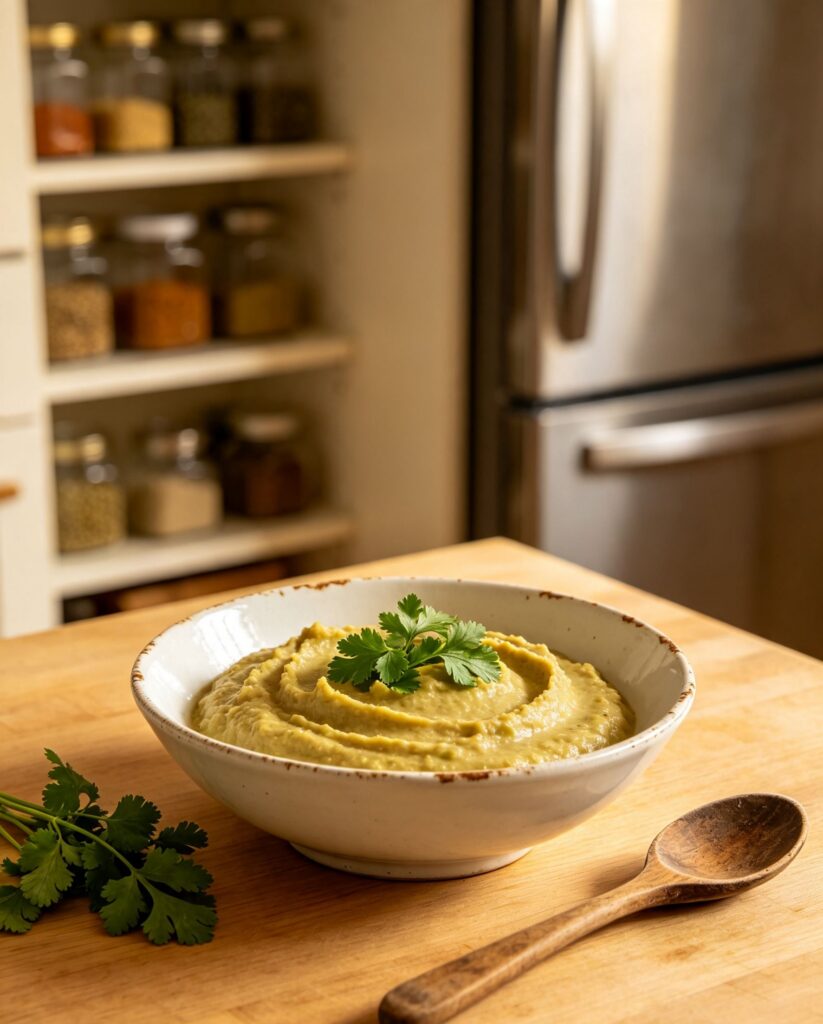
Pisa (Roman Pea Puree with Coriander)
The Quirky Foodster Team
Ingredients
- 300g Dried split peas, soaked overnight and drained
- 750ml Water or vegetable stock
- 1 tsp ground coriander seed
- 1/2 tsp ground cumin
- 45 ml olive oil (3 tbsp olive oil), plus extra to serve
- Salt, to taste
Method
- Place the soaked split peas in a saucepan with the water or stock and bring to the boil.
- Reduce to a simmer and cook for 18-20 minutes, until completely soft, stirring occasionally to prevent sticking.
- Drain any excess liquid if needed, then mash or blend to a rough, thick puree.
- Stir in the coriander, cumin and olive oil.
- Season with salt, spoon into a serving dish, and finish with a drizzle of extra olive oil.
Native Name: Pisa
Cultural Background: Dried peas and pulses cooked down into a thick puree were a staple side across the Roman world, seasoned simply with coriander, cumin and olive oil – filling, cheap, and a common accompaniment to roasted or braised meats at every level of society.
Tips: Soaking the split peas overnight cuts the cooking time significantly and gives a smoother final puree.
Variations: Stir through a spoonful of honey and a splash of vinegar for a sweet-sour version popular in Roman recipes for pulses.
Vegetarian / Vegan Note: Naturally vegan.
Storage: Store covered in the refrigerator for up to 4 days, or freeze for up to 3 months.
Reheating: Reheat gently in a saucepan over low heat, adding a splash of water or stock to loosen if needed.
Nutrition: Approx. 230 kcal, 12 g protein, 30 g carbohydrate, 8 g fat per serving.
FAQs:
Q: Can I use canned peas instead?
A: Dried split peas give the closest texture to the original; canned peas won't mash into the same thick puree.
Q: What should I serve this with?
A: It pairs well with braised meats such as Pullum Frontonianum or Aliter Baedinum, in the Roman style of serving a rich main alongside a plain pulse side.
Please log in to leave a comment.