
Breads
Geothermal-Baked Rye Bread
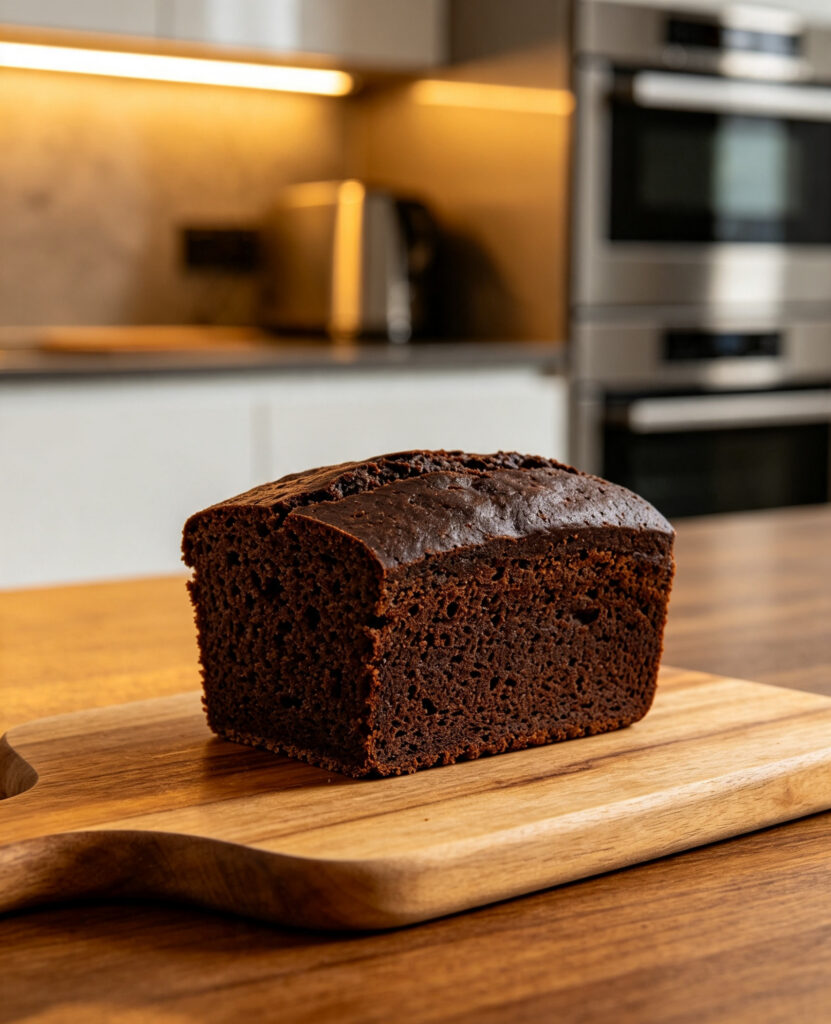
Ingredients
- 300 g (2.5 cups) rye flour
- 150 g (1.25 cups) all-purpose flour
- 150 g (3/4 cup) brown sugar
- 1 tbsp baking powder
- 1 tsp baking soda
- 1 tsp salt
- 500 ml (2 cups) buttermilk
- 60 ml (1/4 cup) golden syrup or dark corn syrup
Method
- Preheat the oven to 100°C (212°F). Grease a loaf tin or heatproof pot with a lid.
- In a large bowl, whisk together the rye flour, all-purpose flour, brown sugar, baking powder, baking soda and salt.
- In a separate bowl or jug, combine the buttermilk and golden syrup.
- Pour the wet ingredients into the dry ingredients and stir until just combined into a thick, smooth batter.
- Pour the batter into the prepared tin and cover tightly with a lid or foil.
- Bake for 6-8 hours, or until a skewer inserted in the centre comes out clean.
- Remove from the oven, uncover, and turn out onto a cooling rack.
- Cool completely before slicing thinly.
Introduction: Rúgbrauð is a dense, dark, slightly sweet rye bread traditionally baked slowly by burying pots in geothermally heated ground near hot springs — a uniquely Icelandic technique that harnesses the country's volcanic landscape.
Cultural Background: Rúgbrauð is a dense, dark, slightly sweet rye bread traditionally baked slowly by burying pots in geothermally heated ground near hot springs — a uniquely Icelandic technique that harnesses the country's volcanic landscape. A conventional low, slow oven bake achieves a similar deeply flavoured result at home.
Tips: The very long, low bake mimics the traditional geothermal method and produces the characteristic dense, moist crumb. Wrap tightly in foil for the first few hours of baking to trap steam and keep the loaf moist.
Variations: Add a tablespoon of cocoa powder for a deeper colour and subtle chocolatey note, a popular home variation. Steam the loaf in a covered pot set inside a larger pot of simmering water instead of oven-baking, closer to the traditional method.
Storage: Wrap well and store at room temperature for up to 5 days, or freeze sliced for up to 2 months.
Reheating: Not applicable — served as is, though a light toast is pleasant for older slices.
FAQs:
Q: Why does it bake for so long at such a low temperature?
A: This slow method replicates the gentle, sustained heat of geothermal baking, developing the bread's deep flavour and moist, dense texture.
Q: Is rúgbrauð sweet?
A: Yes, it has a pronounced sweetness from the brown sugar and syrup, which balances well with savoury toppings like butter and smoked fish.
Please log in to leave a comment.