
Breads
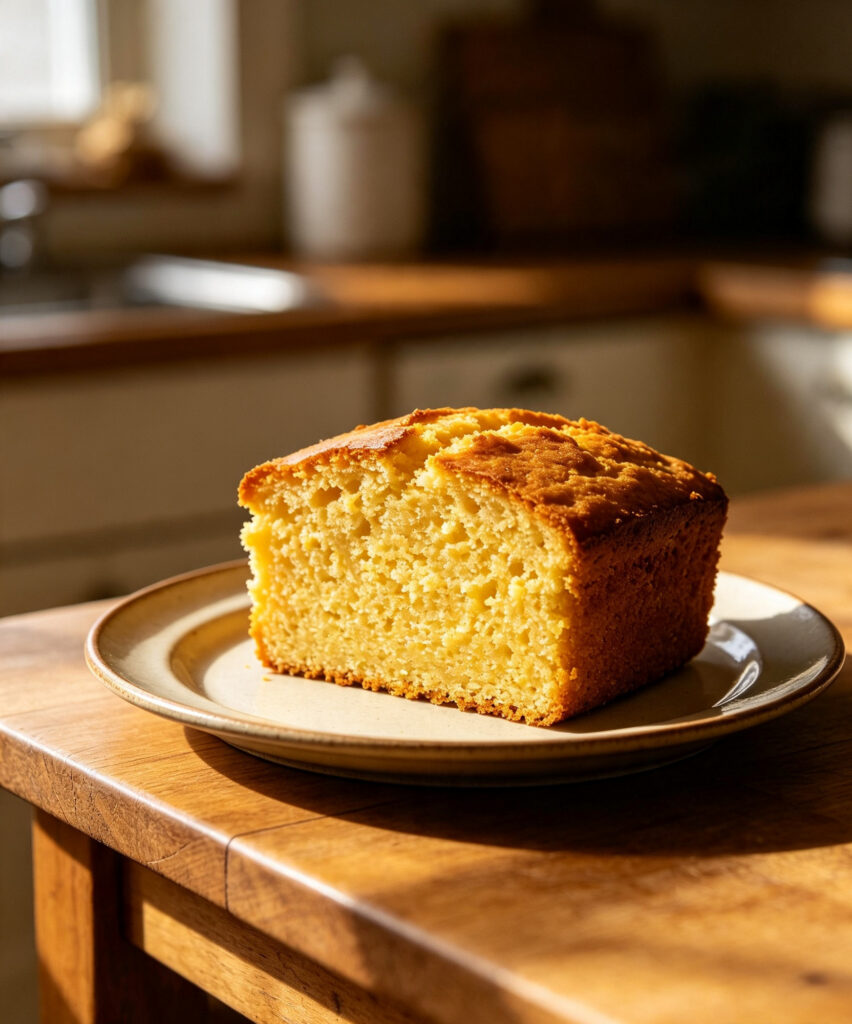
Cornbread (Broa de Milho)
sjfegan
Ingredients
- 280g (2 cups) Cornmeal
- 125g (1 cup) Rye or wheat flour
- 1.5 tsp active dry yeast
- 1 tsp salt
- 360ml (1.5 cups) Warm water
Method
- Scald a little of the cornmeal with boiling water, then let cool to lukewarm.
- Dissolve the yeast in the warm water and let sit for 10 minutes until foamy.
- Combine the remaining cornmeal, flour and salt in a large bowl.
- Add the scalded cornmeal mixture and yeast mixture, kneading into a dense, slightly sticky dough.
- Shape into a round loaf and place on a baking tray.
- Cover and let rise in a warm place for 1–1.5 hours.
- Preheat the oven to 200°C (400°F) and bake for 40–45 minutes until deeply golden and firm.
Introduction: A dense cornbread made from the newly introduced maize, one of the earliest European breads to incorporate this transformative New World grain.
Cultural Background: As maize gradually spread through Iberian agriculture during and after this era, bakers began incorporating it into bread, this dense, earthy loaf reflecting an early and enduring adaptation that remains a beloved Portuguese staple today.
Tips: Scalding part of the cornmeal helps soften it and improves the bread’s final texture. This dense dough won’t rise as dramatically as wheat bread alone.
Variations: Serve alongside soups and stews, a classic pairing. Add a handful of seeds to the dough for extra texture.
Storage: Store wrapped at room temperature for up to 3 days.
Reheating: Warm briefly in an oven at 160°C (325°F) for 5–8 minutes to refresh.
Nutrition: Per serving (approx., 1 slice): 160 kcal, 4 g protein, 1 g fat, 34 g carbohydrate.
FAQs:
Q: When did cornbread first appear in Iberian baking?
A: As maize spread through European agriculture following its introduction from the Americas during this era, bakers gradually began incorporating it into bread, with this style becoming particularly established in northern Portugal.
Q: Is this bread still made today?
A: Yes, broa de milho remains a beloved traditional Portuguese bread, a direct culinary legacy of this era’s transformative ingredient exchange.
Please log in to leave a comment.