
Cassave
The Quirky Foodster Team
Ingredients
- Bitter cassava, peeled and grated (processed to remove toxins, or use pre-processed cassava meal) — 1 kg (2.2 lb)
- Salt — 1 tsp
Method
- Grate the peeled cassava finely (or use a food processor).
- Wrap the grated cassava tightly in cheesecloth and press firmly, or twist and squeeze, to remove as much liquid as possible -- this step is essential, as raw bitter cassava liquid contains natural toxins that must be discarded, not consumed.
- Loosen the pressed cassava pulp with your fingers to break up any clumps and mix in the salt.
- Heat a large dry griddle or heavy frying pan over medium heat.
- Spread a thin, even layer of the cassava pulp across the hot griddle to form a large flat round, pressing gently to compact it.
- Cook for 5-7 minutes until the underside is dry and lightly golden, then carefully flip and cook the other side for a further 5-7 minutes until firm and cooked through. Cool on a rack until crisp.
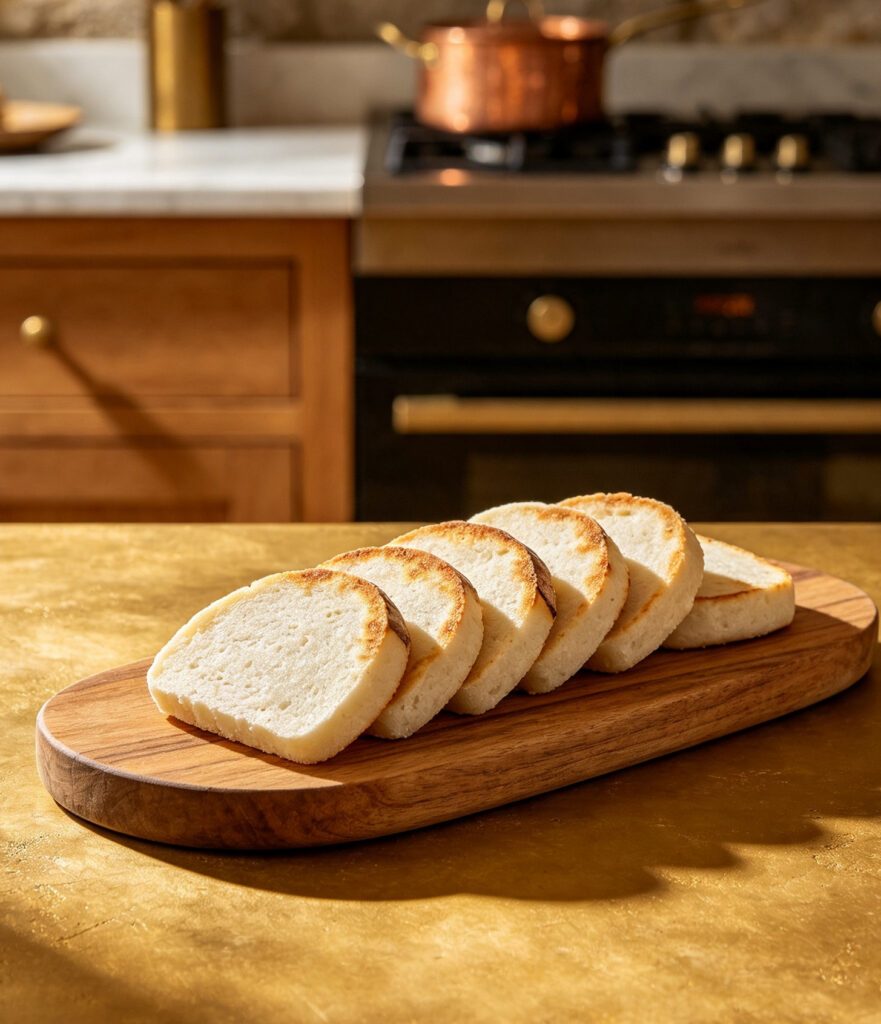
Introduction: Cassave is a large, thin, unleavened flatbread made from grated bitter cassava, one of the oldest foods in Suriname, rooted in Amerindian tradition long predating European contact and later adopted widely by Maroon communities.
Cultural Background: Cassave is a large, thin, unleavened flatbread made from grated bitter cassava, one of the oldest foods in Suriname, rooted in Amerindian tradition long predating European contact and later adopted widely by Maroon communities. Traditionally cooked on a hot flat griddle without oil or fat, it is dried and toasted until firm and crisp, and served as an everyday accompaniment to fish, stews or simply with butter.
Tips: Squeezing out the liquid thoroughly is the most important step — do not skip it, and always discard the extracted liquid rather than using it. If you cannot easily source raw bitter cassava, look for pre-processed, ready-to-cook cassava meal specifically labelled safe for cassave, sold in Surinamese and Caribbean grocery stores. Cassave keeps its shape best if pressed to an even thickness before cooking.
Variations: A sweeter, softer version can be made by adding a little grated coconut and sugar to the pulp before cooking. Break cooked cassave into pieces and toast again briefly for extra crunch, a common way to serve it as a cracker-like snack. Cassave is naturally vegan and vegetarian as written.
Storage: Once fully cooled and dried, store in an airtight container at room temperature for up to 2 weeks.
Reheating: Toast briefly in a dry pan or oven to refresh crispness if it has softened.
FAQs:
Q: Is bitter cassava safe to eat?
A: Bitter cassava contains natural compounds that must be removed through grating, pressing out the liquid and thorough cooking; always follow proper processing steps or use a pre-processed cassava product intended for this purpose, and never drink or use the pressed-out liquid raw.
Q: Can I use sweet cassava instead?
A: Sweet (or ‘sweet manioc’) cassava does not contain the same level of natural toxins and is easier to work with, though traditional cassave is usually made with bitter cassava for its specific texture.
Q: What is Cassave traditionally eaten with?
A: It is commonly served alongside fish, stews, or simply spread with butter, and can also be broken up and eaten like a cracker.
- Bitter cassava, peeled and grated (processed to remove toxins, or use pre-processed cassava meal) — 1 kg (2.2 lb)
- Salt — 1 tsp
Please log in to leave a comment.