
Asida bil Mulah for Ramadan Iftar
The Quirky Foodster Team
Ingredients
- Wheat flour (for aseeda) — 250 g (2 cups)
- Water (for aseeda) — 750 ml (3 cups)
- Salt (for aseeda) — 1/2 tsp
- Beef, cubed (for mulah) — 600 g (1.3 lb)
- Large onions, sliced (for mulah) — 3
- Garlic cloves, minced — 4
- Tomato paste — 2 tbsp
- Ground coriander — 1 tsp
- Vegetable oil — 60 ml (1/4 cup)
- Water or stock (for mulah) — 700 ml (3 cups)
- Salt (for mulah) — 1.5 tsp
Method
- For the mulah: heat oil in a pot over medium heat. Fry sliced onions slowly for 20 minutes until deep golden. Add garlic and beef; brown for 8 minutes.
- Stir in tomato paste and coriander; cook 2 minutes. Add water or stock and salt. Cover and simmer 45 minutes until the beef is tender and the sauce has thickened.
- For the aseeda, prepare near the end of the mulah's cooking time: bring 500 ml (2 cups) water to a boil with salt. Mix flour with remaining 250 ml (1 cup) cold water to a smooth slurry.
- Whisk the slurry into the boiling water and stir continuously over low heat for 10-12 minutes until thick and smooth.
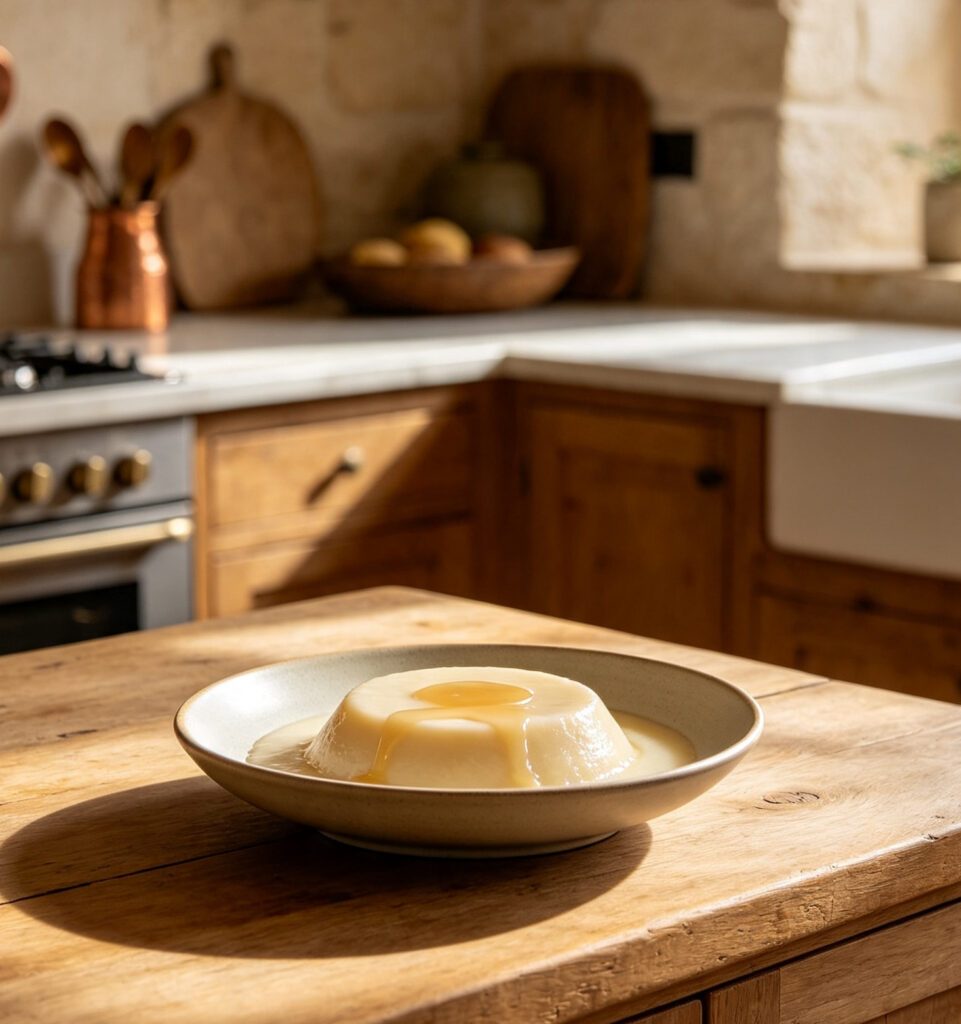
- Shape aseeda into a mound on a large serving plate. Pour the hot mulah over or alongside it and serve immediately to break the fast.
Introduction: This festive pairing of smooth wheat aseeda with a rich, slow-cooked meat mullah is a centrepiece of many Sudanese Ramadan iftar tables, offering a satisfying and traditional way to break the fast.
Cultural Background: This festive pairing of smooth wheat aseeda with a rich, slow-cooked meat mullah is a centrepiece of many Sudanese Ramadan iftar tables, offering a satisfying and traditional way to break the fast.
Tips: Time the two components so both finish together, since aseeda is best served immediately while smooth and warm.
Variations: Lamb can replace beef in the mulah for a richer, more traditional festive flavour. Replace beef with mushrooms and chickpeas in the mulah, using vegetable stock, for a vegetarian iftar option.
Storage: Refrigerate mulah separately up to 3 days; aseeda is best made fresh.
Reheating: Reheat mulah gently on the stovetop; prepare aseeda fresh when ready to serve.
Nutrition: Approx. 430 kcal, 30 g protein, 20 g fat, 34 g carbohydrate per serving.
FAQs:
Q: Can I prepare the mulah in advance for iftar?
A: Yes — the mulah reheats well, so it can be made earlier in the day and gently warmed before iftar.
- Wheat flour (for aseeda) — 250 g (2 cups)
- Water (for aseeda) — 750 ml (3 cups)
- Salt (for aseeda) — 1/2 tsp
- Beef, cubed (for mulah) — 600 g (1.3 lb)
- Large onions, sliced (for mulah) — 3
- Garlic cloves, minced — 4
- Tomato paste — 2 tbsp
- Ground coriander — 1 tsp
- Vegetable oil — 60 ml (1/4 cup)
- Water or stock (for mulah) — 700 ml (3 cups)
- Salt (for mulah) — 1.5 tsp
Please log in to leave a comment.