
Holidays & Special Occasions
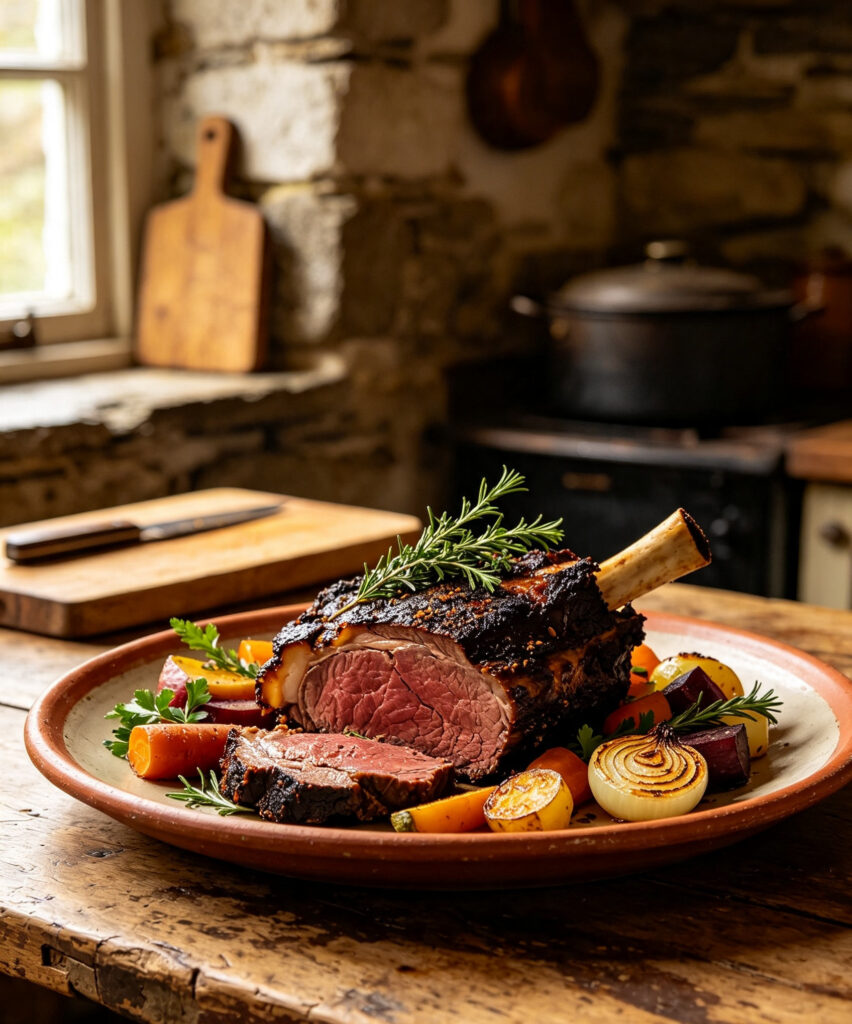
Festival Feast Roasted Bull (Shor Tsali lechag)
sjfegan
Ingredients
- 2.5kg Beef roasting joint
- 120ml (1/2 cup) Olive oil
- 4 tbsp mixed fresh herbs (oregano, coriander), chopped
- 6 cloves garlic, crushed
- Salt to taste
Method
- Rub the beef generously all over with olive oil, crushed garlic, mixed herbs and salt.
- Let marinate for several hours, ideally overnight.
- Prepare a large, steady fire or preheat the oven to 160°C (325°F).
- Roast slowly for 3–3.5 hours, basting occasionally, until deeply tender.
- Let rest for 15–20 minutes before carving and serving to the gathered celebration.
Introduction: A large roasted portion of beef, prepared for the great religious festivals and public celebrations of Carthaginian civic and religious life.
Cultural Background: Carthaginian religious life featured significant public festivals, and large-scale feasting with roasted meat would have marked the most important civic and religious occasions, when the city celebrated together and shared in communal abundance.
Tips: This large cut benefits enormously from a long marinating time to ensure deep flavour throughout. Roast low and slow, checking periodically, for the most tender result.
Variations: Serve alongside generous portions of bread, olives and wine for a full festival spread. Scale the recipe according to the size of the gathering being celebrated.
Storage: Refrigerate leftover meat in an airtight container for up to 3 days.
Reheating: Reheat gently, covered, in an oven at 150°C (300°F) until warmed through.
Nutrition: Per serving (approx.): 420 kcal, 38 g protein, 26 g fat, 2 g carbohydrate.
FAQs:
Q: What role did religious festivals play in Carthaginian life?
A: Carthage held a rich religious calendar with significant public festivals, important occasions for communal gathering, celebration and, historically, large-scale feasting.
Q: Was communal feasting common at Carthaginian celebrations?
A: Yes, generous, shared meals were an important part of civic and religious life, bringing the community together to mark significant occasions.
Please log in to leave a comment.