
Khao Niew (Sticky Rice)
The Quirky Foodster Team
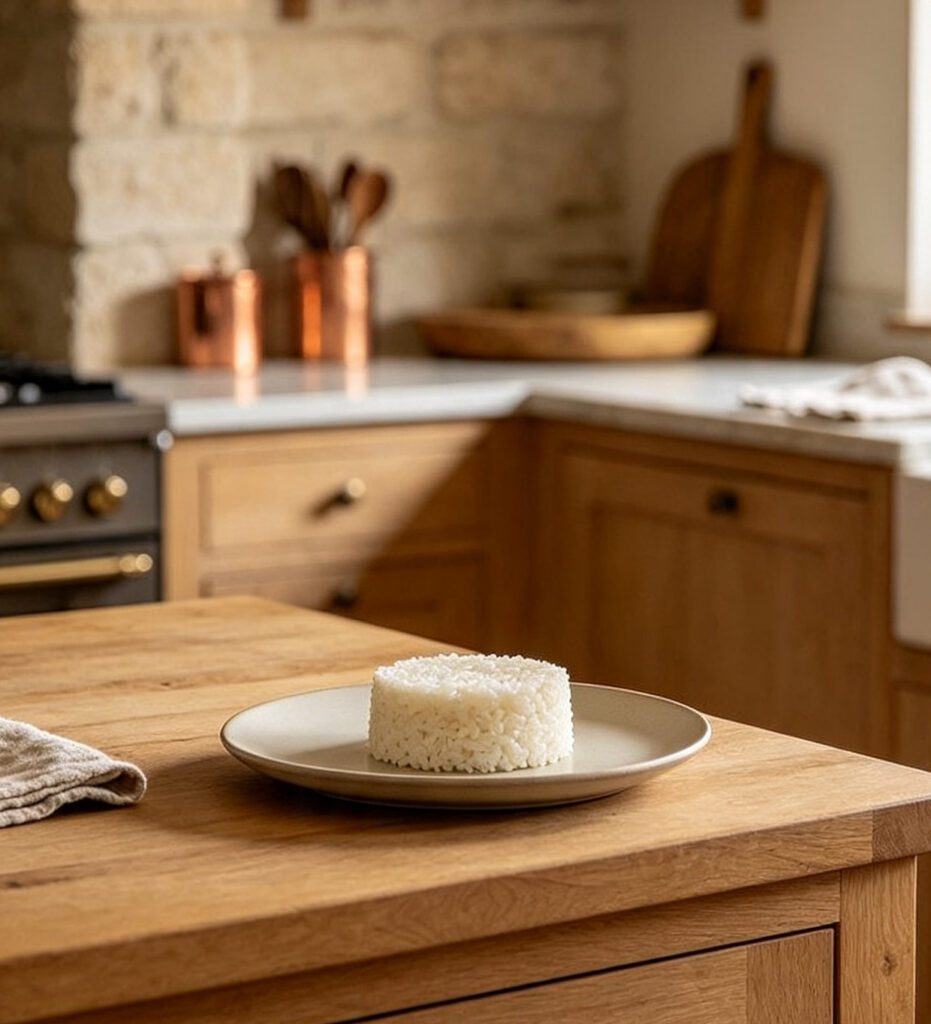
Ingredients
- Glutinous (sticky) rice — 400 g (2 cups)
- Water, for soaking
Method
- Rinse the sticky rice thoroughly in several changes of water until the water runs mostly clear.
- Soak the rice in plenty of water for at least 4 hours, or ideally overnight.
- Drain the rice well and transfer to a bamboo steamer basket lined with cheesecloth, or a fine-mesh steamer basket, spreading it in an even layer.
- Set the steamer over a pot of simmering water, ensuring the rice doesn't touch the water directly, and cover.
- Steam for 20–25 minutes, flipping the rice halfway through, until tender and translucent.
- Transfer to a covered basket or bowl to keep warm and serve.
Introduction: Sticky rice, or khao niew, is the staple starch of northern and northeastern Thailand, eaten by hand and
used to scoop up dishes like larb and grilled meats.
Cultural Background: Sticky rice, or khao niew, is the staple starch of northern and northeastern Thailand, eaten by hand and
used to scoop up dishes like larb and grilled meats. Steaming, rather than boiling, gives it its characteristic
chewy, slightly sticky texture.
Tips: Soaking the rice for several hours, or overnight, is essential for even steaming — skipping this step results in unevenly cooked rice. Traditional woven bamboo baskets keep steamed sticky rice warm for hours without becoming soggy, if available.
Variations: Steam with a few pandan leaves for a subtle fragrance. Serve with fresh mango and coconut cream for a dessert version. Naturally vegan and vegetarian.
Storage: Store cooled sticky rice wrapped in plastic at room temperature for up to a day, or refrigerate for up to 3
days.
Reheating: Re-steam for 5–10 minutes, or microwave wrapped in a damp paper towel for 30–60 seconds.
FAQs:
Q: Can I use a rice cooker instead?
A: Some rice cookers have a dedicated sticky rice or steam setting; otherwise, traditional steaming gives the most reliable, authentic texture.
Q: Why must the rice be soaked first?
A: Soaking allows the rice grains to absorb water evenly before steaming, which is necessary since sticky rice is steamed rather than boiled.
Q: How is sticky rice traditionally eaten?
A: By hand — a small ball is pinched off and used to scoop up other dishes, especially in northern and Isaan Thai cuisine.
- Glutinous (sticky) rice — 400 g (2 cups)
- Water, for soaking
Please log in to leave a comment.