
Holidays & Special Occasions
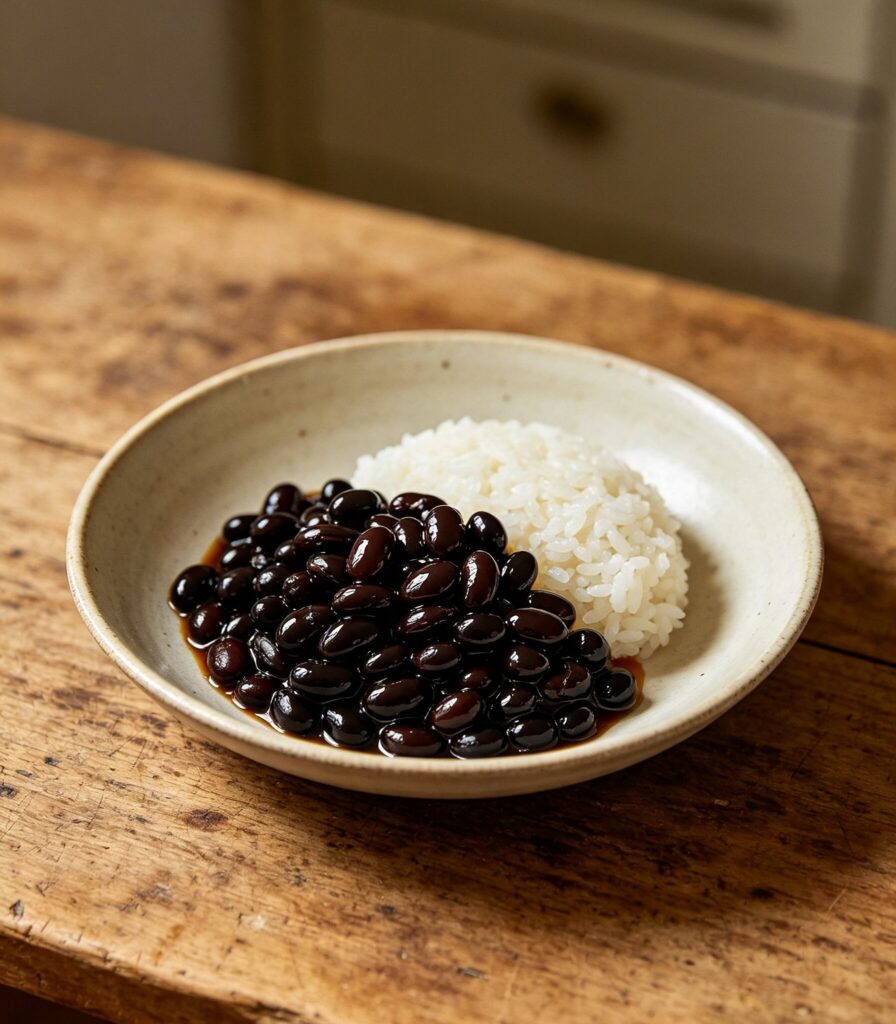
Kuromame (Sweet Simmered Black Soybeans)
Ingredients
- 250 g dried black soybeans (9 oz)
- 1.2 litres water (5 cups)
- 150 g sugar (3/4 cup)
- 1 tbsp soy sauce
- 1/2 tsp salt
- 1 small piece rusted iron nail or iron pan (traditional, optional, for colour)
Method
- Rinse black soybeans and soak overnight in the water with sugar, soy sauce and salt already dissolved in; this pre-sweetened soak helps prevent the skins from wrinkling.
- The next day, bring the beans and soaking liquid to a gentle simmer in a heavy pot, skimming off any foam.
- Add a small clean iron object if using (a traditional technique to enhance the beans' deep black colour), wrapped in a cloth or tea bag.
- Cover with a drop-lid and simmer on very low heat for 3-4 hours, topping up water as needed to keep beans submerged, until beans are tender and glossy.
- Remove the iron piece if used, and let beans cool in their liquid to absorb further sweetness before serving.
Introduction: Kuromame are sweet, glossy black soybeans slowly simmered for New Year's osechi ryori (traditional New Year feast boxes), symbolising good health and diligence, as 'mame' also means 'diligently' or 'in good health' in Japanese wordplay.
Cultural Background: Kuromame are sweet, glossy black soybeans slowly simmered for New Year's osechi ryori (traditional New Year feast boxes), symbolising good health and diligence, as 'mame' also means 'diligently' or 'in good health' in Japanese wordplay.
Tips: Simmer on the lowest possible heat; boiling too vigorously can cause the bean skins to split and wrinkle, which is considered less visually appealing for the New Year presentation.
Variations: Some households add a pinch of baking soda to help soften beans faster, though this can slightly alter texture and flavour.
Storage: Refrigerate in their cooking liquid in an airtight container for up to 1 week.
Reheating: Serve cold or at room temperature as part of osechi; not typically reheated.
FAQs:
Q: Why is an iron nail used in this recipe?
A: A traditional technique where iron ions react with compounds in the bean skins to intensify and stabilise the black colour; a clean iron pot can achieve a similar effect.
Q: What does kuromame symbolise at New Year?
A: It represents wishes for good health and diligent, hardworking days ahead, based on wordplay with the term 'mame'.
Please log in to leave a comment.