
Holidays & Special Occasions
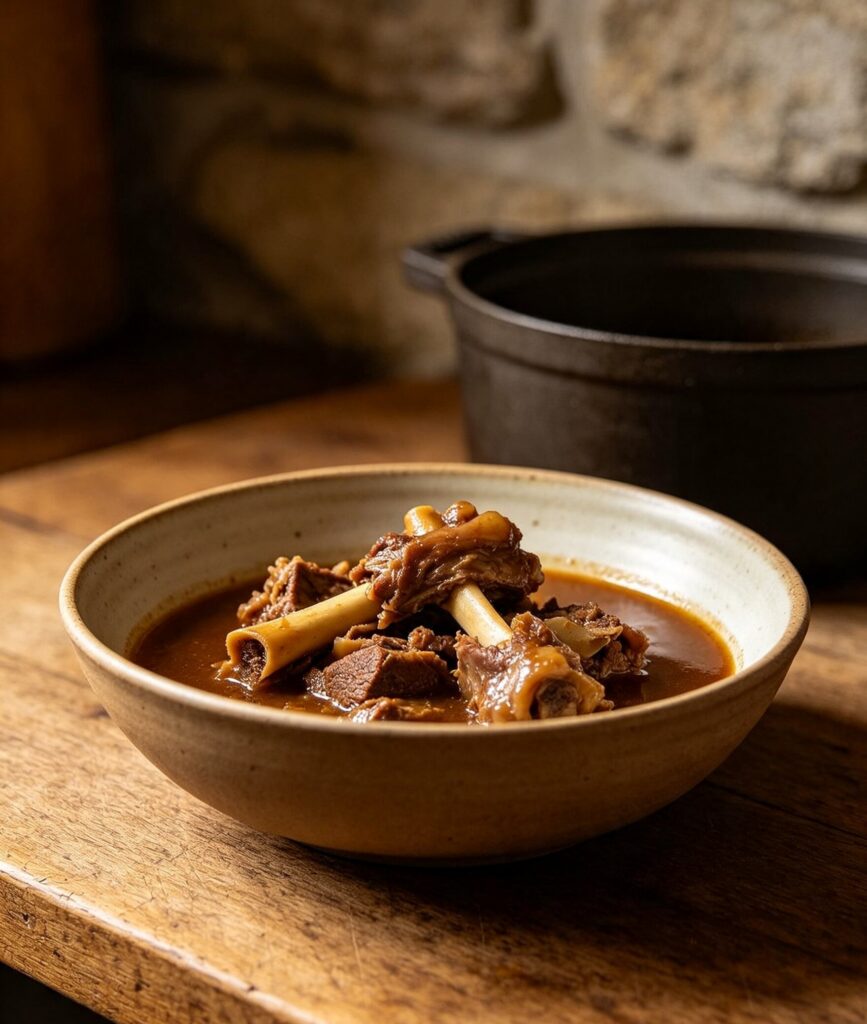
Pacha (Traditional Lamb Trotter and Head Stew)
Ingredients
- 1.5 kg (3 lb) cleaned lamb trotters (and stomach, if available)
- 2 onions, quartered
- 4 cloves garlic
- 1 tsp ground turmeric
- 1 tsp ground cumin
- 2 bay leaves
- 2 litres (8 cups) water
- Salt to taste
- Flatbread, for serving
Method
- Thoroughly clean the trotters (and stomach, if using), scrubbing well and blanching briefly in boiling water; discard the blanching water.
- Place the cleaned meat in a large pot with onion, garlic, turmeric, cumin and bay leaves, and cover with fresh water.
- Bring to a boil, skim any foam, then reduce heat and simmer gently for 4 to 5 hours, until the meat is very tender and falling from the bone.
- Season with salt in the final hour of cooking.
- Ladle the stew and its rich broth into bowls, removing bay leaves before serving.
- Serve hot with warm flatbread for dipping.
Introduction: A deeply traditional dish served especially on Fridays and religious holidays, Pacha is a slow-simmered stew of lamb trotters, stomach and head, reflecting Iraq's nose-to-tail culinary heritage and communal dining customs.
Cultural Background: A deeply traditional dish served especially on Fridays and religious holidays, Pacha is a slow-simmered stew of lamb trotters, stomach and head, reflecting Iraq's nose-to-tail culinary heritage and communal dining customs.
Tips: Thorough cleaning and an initial blanch are essential steps for a clean-tasting, fragrant final broth.
Variations: Some versions include a small amount of rice added to the broth in the last 20 minutes of cooking for extra body. Not vegetarian; no authentic vegetarian version exists as this is fundamentally a nose-to-tail meat dish.
Storage: Refrigerate in an airtight container for up to 3 days.
Reheating: Reheat gently on the stovetop over low heat until warmed through, stirring occasionally.
FAQs:
Q: Where can I find lamb trotters?
A: Middle Eastern or halal butchers typically carry them; ask them to clean and split the trotters for you.
Q: Why does the dish need such a long cooking time?
A: The long simmer is essential to fully tenderize the trotters and develop a rich, gelatinous broth.
Please log in to leave a comment.