
Lunches
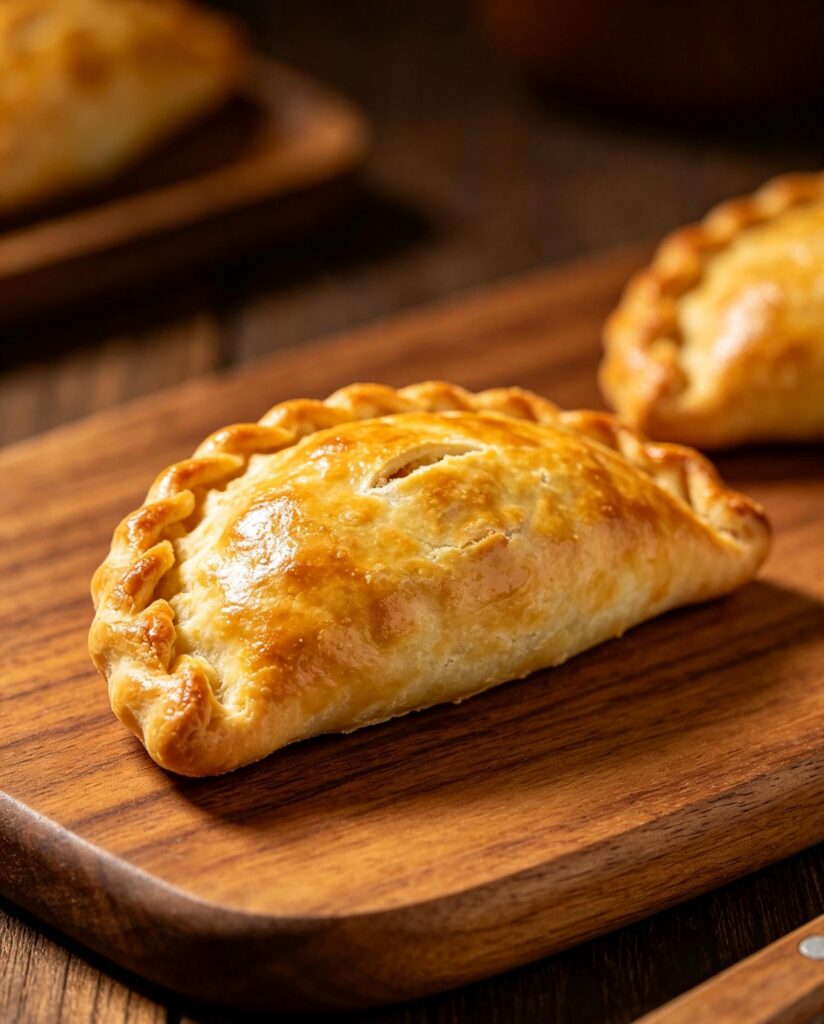
Cornish Pasty
The Quirky Foodster Team
Ingredients
- 500 g (1 lb 2 oz) Shortcrust pastry
- 300 g (10 1/2 oz) Beef skirt or chuck steak, diced small
- 250 g (9 oz) Potato, diced small
- 150 g (5 oz) Swede (rutabaga), diced small
- 1 medium Onion, chopped
- to taste Salt and pepper
- 30 g (2 tbsp) Butter, small cubes
- 1 Egg, beaten, for glazing
Method
- Preheat the oven to 200°C (400°F) and line a baking tray with parchment paper.
- Roll out the pastry and cut into four large circles, about 20 cm (8 in) across.
- In a bowl, combine the diced beef, potato, swede and onion, and season generously with salt and pepper.
- Divide the filling evenly among the pastry circles, mounding it along one half.
- Dot each portion of filling with a few small cubes of butter.
- Fold the pastry over the filling to form a half-moon shape and crimp the edges firmly to seal.
- Place the pasties on the baking tray and brush with beaten egg.
- Bake for 15 minutes at 200°C (400°F), then reduce the oven to 160°C (320°F) and bake for a further 40 to 45 minutes until deep golden brown and the filling is cooked through.
Introduction: Originating among Cornish tin miners, who needed a hearty, self-contained meal that could be carried underground and eaten by hand, the Cornish pasty is a pastry case filled with seasoned beef, potato, swede and onion, and today holds Protected Geographical Indication status.
Cultural Background: Originating among Cornish tin miners, who needed a hearty, self-contained meal that could be carried underground and eaten by hand, the Cornish pasty is a pastry case filled with seasoned beef, potato, swede and onion, and today holds Protected Geographical Indication status.
Storage: Store cooled pasties in an airtight container in the refrigerator for up to 3 days, or freeze unbaked or baked for up to 3 months.
Reheating: Reheat in an oven at 160°C (320°F) for 15 to 20 minutes until warmed through; avoid microwaving, as it makes the pastry soggy.
Tips: Dice the filling ingredients small and evenly so they cook through fully in the time it takes the pastry to bake. Crimp the edge firmly and evenly, as a well-sealed pasty holds its raw filling and juices without leaking during baking.
Variations: Some bakers add a splash of Worcestershire sauce to the filling for extra depth. A vegetarian pasty replaces the beef with extra root vegetables and a little grated cheese. A smaller, snack-sized version is popular for lunchboxes. For a vegetarian version, replace the beef with extra diced potato, swede and carrot, plus a handful of grated mature cheddar for richness, keeping the same pastry and crimping method.
Nutrition: Calories: 560 kcal | Protein: 20 g | Carbs: 48 g | Fat: 32 g
FAQs:
Q: Why is the filling raw before baking?
A: The vegetables and meat are cut small enough to cook fully during the long, slow bake, which also allows their juices to flavour the pastry from within.
Q: What gives the Cornish pasty its Protected Geographical Indication status?
A: To be legally called a Cornish pasty, it must be made in Cornwall to a traditional recipe and shape, with a distinctive D-shape and crimped edge along one side.
Please log in to leave a comment.