
Central & South America
Mexican Tarragon
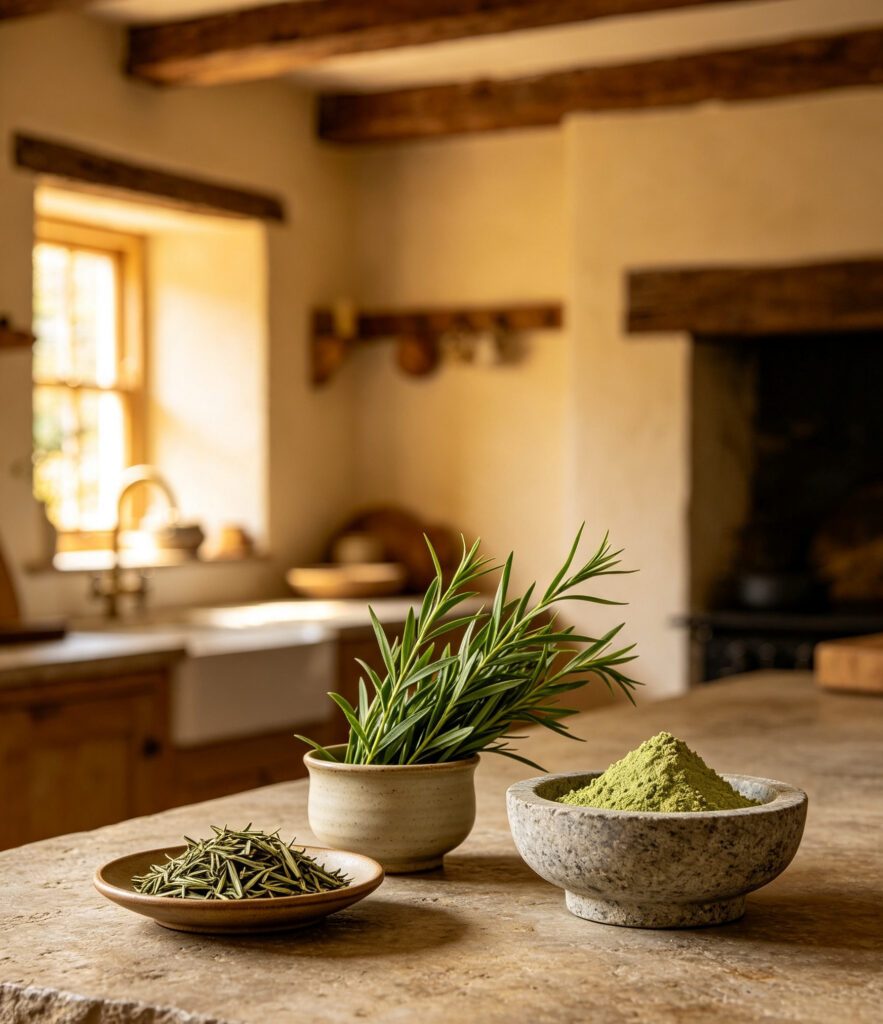
Tagetes lucida – botanically a marigold, entirely unrelated to true tarragon despite the shared common name, another clear naming-convergence case.
Local / Regional Names
Pericón / yerba anís (Spanish); also called Mexican mint marigold or Spanish tarragon in English-language horticultural sources.
Countries / Cuisines
Mexico, Guatemala.
Flavor & Aroma
Anisic, similar in general direction to true tarragon, though generally considered slightly sweeter and less refined.
Culinary Uses
A traditional substitute for true tarragon in regions where the latter doesn't grow well, and a significant herb in its own right for teas and ceremonial use.
Classic Dishes
Used as a tarragon substitute in various sauces; also brewed as a tea, and traditionally significant in Day of the Dead altars and ceremonies given its marigold family membership.
Pairings
Chicken, cream sauces, citrus.
Timing
Add fresh toward the end of cooking, similar to true tarragon's handling.
Storage
Fresh keeps about a week refrigerated; dried keeps several months.
Substitutions
True tarragon where available, understanding the two are botanically unrelated despite similar flavor and common usage as substitutes for one another.
Cultural / History Notes
A textbook flavor-convergence naming hazard, structurally identical to the Mexican oregano case – this is a marigold (Tagetes genus) that tastes remarkably like tarragon (Artemisia genus) despite no close botanical relationship, and the 'Mexican tarragon' name obscures this entirely.
Blend Cross-References
Not a standard blend component; used as a fresh/dried standalone herb.
Please log in to leave a comment.