
Pacific & Oceania
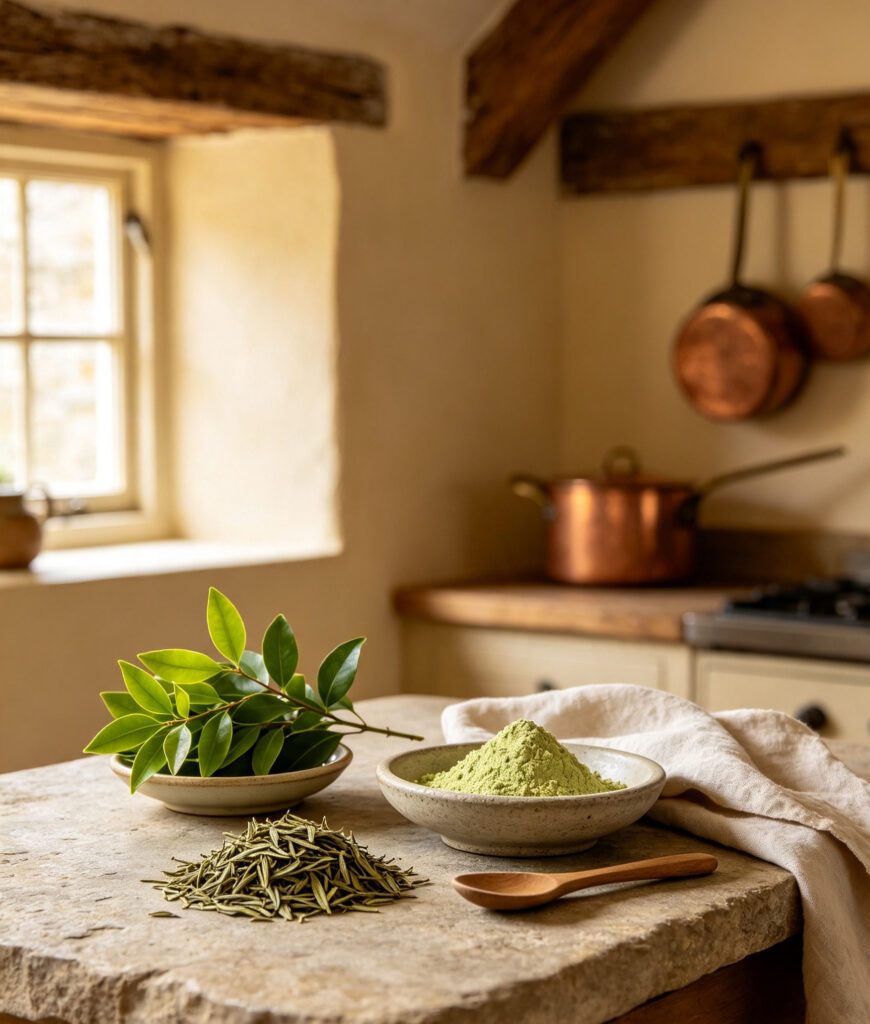
Lemon Myrtle
Backhousia citriodora.
Local / Regional Names
Lemon myrtle (English); various Aboriginal Australian names specific to individual language groups.
Countries / Cuisines
Australia (native to Queensland's subtropical rainforest).
Flavor & Aroma
Intensely lemon, often described as more purely and cleanly citrus-flavored than actual lemon zest, with essential oil compounds (notably citral) at a higher concentration than in lemon itself.
Culinary Uses
A versatile citrus-flavoring herb for both sweet and savory dishes, and in flavored oils and cosmetic products.
Classic Dishes
Lemon myrtle shortbread; seafood seasoning; flavored oils and syrups.
Pairings
Seafood, chicken, white chocolate, honey.
Timing
Add dried/ground leaf early in baking, or fresh/dried leaf during savory cooking for a gradually infused citrus note.
Storage
Dried leaf keeps well over a year sealed and dark.
Substitutions
Lemon zest plus a small amount of lemongrass approximates the intensity, though genuine lemon myrtle is considered distinctly cleaner and more concentrated.
Cultural / History Notes
Its essential oil has one of the highest natural citral concentrations of any plant, exceeding even true lemon – a genuinely remarkable botanical fact worth including, and part of why it has become one of the most internationally successful Australian native ingredients in the modern bush food/native foods movement.
Blend Cross-References
Not typically a component of a standardized dry blend; used as a standalone flavoring herb.
Please log in to leave a comment.