
Vinho de Palma
The Quirky Foodster Team
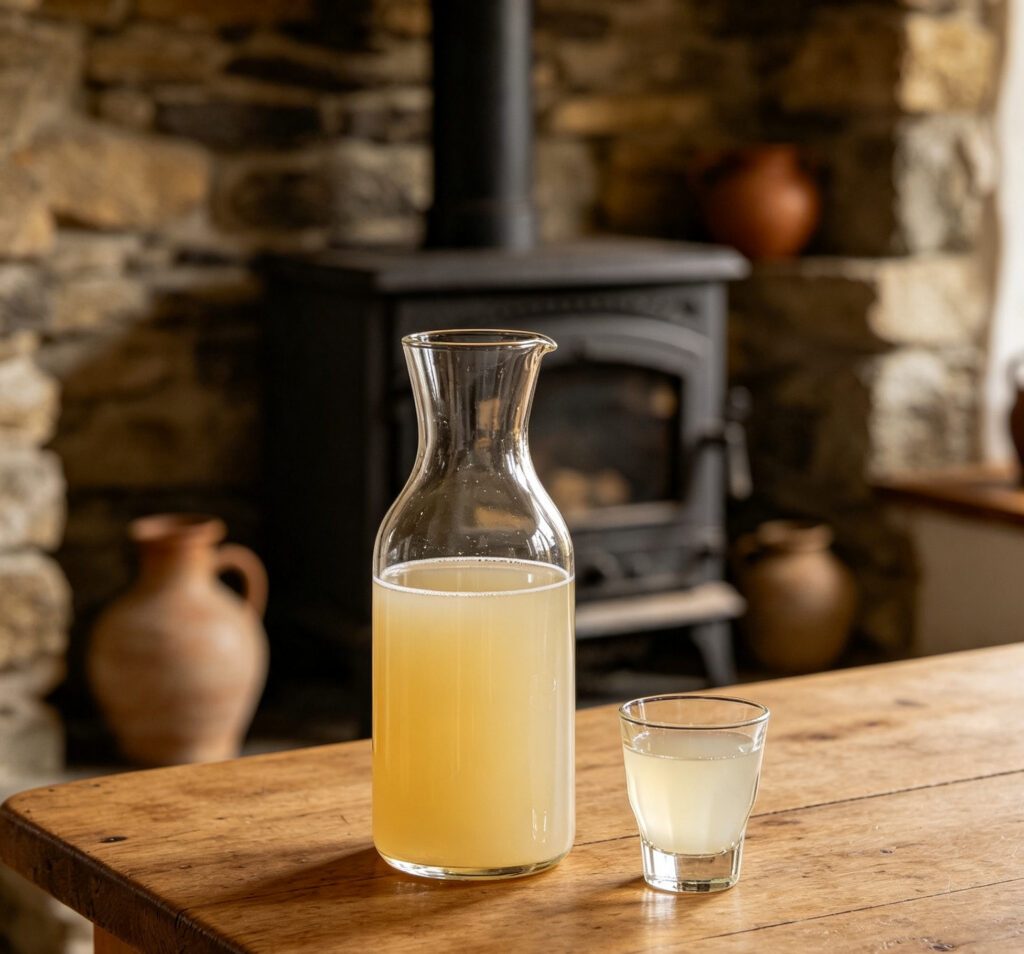
Ingredients
- Fresh palm sap, tapped from a palm tree (quantity depends on tapping yield)
Method
- Tap the palm tree following traditional methods to collect fresh sap into a clean collection vessel.
- Strain the sap through a clean cloth to remove any debris.
- Allow the sap to ferment naturally at ambient temperature for 12-24 hours, developing its characteristic mild fizz and alcohol content.
- Taste periodically, as fermentation time affects strength and flavour.
- Serve fresh once fermented to the desired taste, as it continues to ferment and change flavour over time.
Introduction: A traditional fermented palm wine, tapped directly from palm trees, a distinctly local beverage.
Cultural Background: Palm wine has deep roots in Sao Tome and Principe's rural traditions, tapped from palm trees and left to ferment naturally, producing a mildly alcoholic drink enjoyed at social gatherings.
Tips: Palm wine ferments quickly and its flavour changes rapidly, so it is traditionally consumed fresh, often within a day of tapping. This drink is deeply tied to traditional knowledge — learning proper tapping technique from an experienced local source is essential.
Variations: Some households add a little sugar to encourage fermentation; the freshness and strength preferred varies by individual taste and local tradition.
Storage: Palm wine does not store well and is traditionally consumed fresh within a day or two of tapping.
Reheating: This drink is served fresh, at ambient or slightly chilled temperature, and is not reheated.
Nutrition: Approx. 60 kcal, 0 g protein, 4 g carbohydrate, 0 g fat per 250 ml serving (varies with fermentation).
FAQs:
Q: Is palm wine very alcoholic?
A: It typically has a mild alcohol content that increases the longer it ferments, generally lower than commercial wine.
Q: Can palm wine be bought outside of Sao Tome and Principe?
A: It is rarely exported due to its short shelf life and is primarily a fresh, local tradition best experienced in the country itself.
- Fresh palm sap, tapped from a palm tree (quantity depends on tapping yield)
Please log in to leave a comment.