
Drinks
Vin de Palme
The Quirky Foodster Team
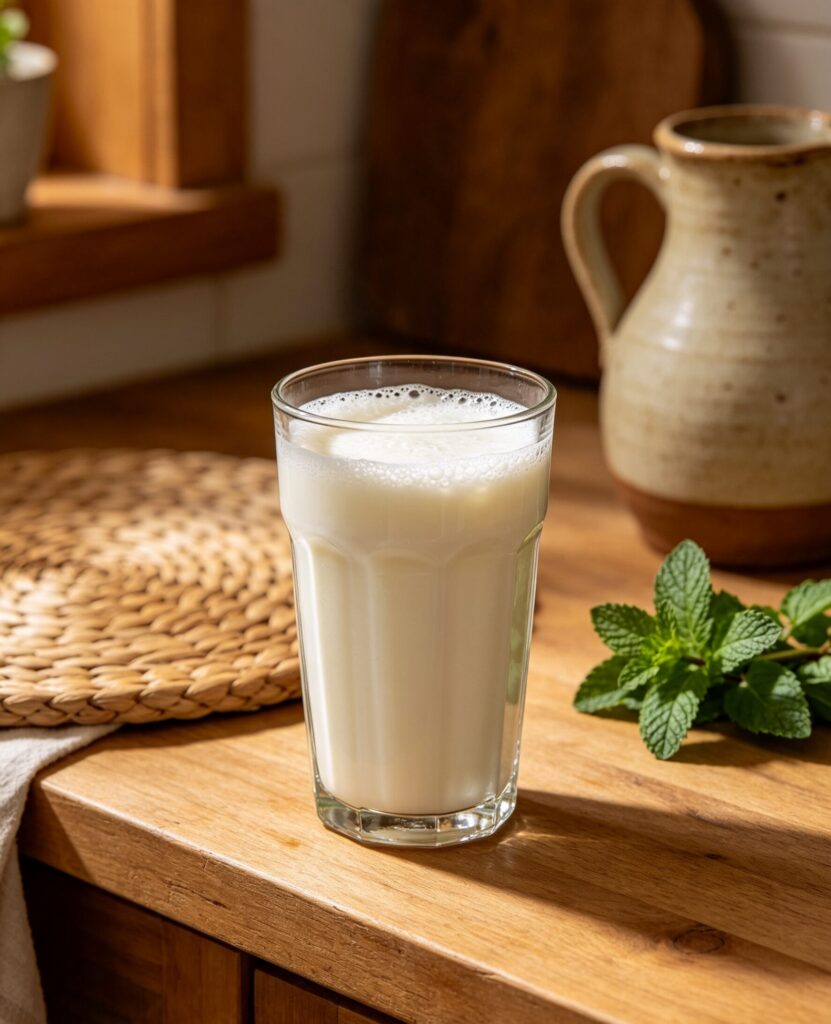
Ingredients
- 1 litre (4 cups) fresh palm sap (tapped from raffia or oil palm)
- Optional: a small piece of tree bark traditionally used to encourage natural fermentation
Method
- Collect the fresh palm sap in a very clean container as soon as possible after tapping, as it begins fermenting quickly once exposed to air.
- Strain the sap through a clean cloth to remove any debris or insects.
- Transfer the strained sap to a fermentation container with a loose-fitting lid to allow gases to escape.
- Leave at room temperature to ferment naturally for 12-24 hours; the sap will turn cloudy and become mildly alcoholic and fizzy as wild yeasts work.
- Taste periodically — fresh palm wine is mildly sweet, while longer fermentation produces a more tangy, stronger drink.
- Strain again before serving in a calabash or jug, ideally the same day fermentation is judged complete.
Introduction: Tapped from the sap of palm trees and left to ferment naturally, palm wine holds deep cultural significance across Gabon, traditionally served at community gatherings, ceremonies, and celebrations, with tapping skills often passed down within families.
Cultural Background: Tapped from the sap of palm trees and left to ferment naturally, palm wine holds deep cultural significance across Gabon, traditionally served at community gatherings, ceremonies, and celebrations, with tapping skills often passed down within families.
Tips: Palm wine is highly perishable and best consumed within a day or two of tapping, as continued fermentation quickly turns it vinegary.
Variations: Some communities add a small piece of bark from specific local trees during fermentation, believed to add flavour and encourage a good ferment. Naturally vegetarian and vegan as written.
Storage: Refrigerate and consume within 1-2 days; palm wine does not keep well.
Reheating: Not applicable — palm wine is always served cold or at room temperature.
Nutrition: Approx. 60 kcal per 250 ml serving; naturally low in sugar with mild alcohol content that increases with fermentation time.
FAQs:
Q: Is palm wine alcoholic?
A: Yes — as it ferments naturally, it develops a mild alcohol content that increases the longer it sits.
Q: Can I buy palm sap outside Gabon?
A: Fresh palm sap is highly perishable and rarely exported; it is best sourced locally where palm trees are tapped, typically in Central and West Africa or parts of Southeast Asia.
Please log in to leave a comment.