
Drinks
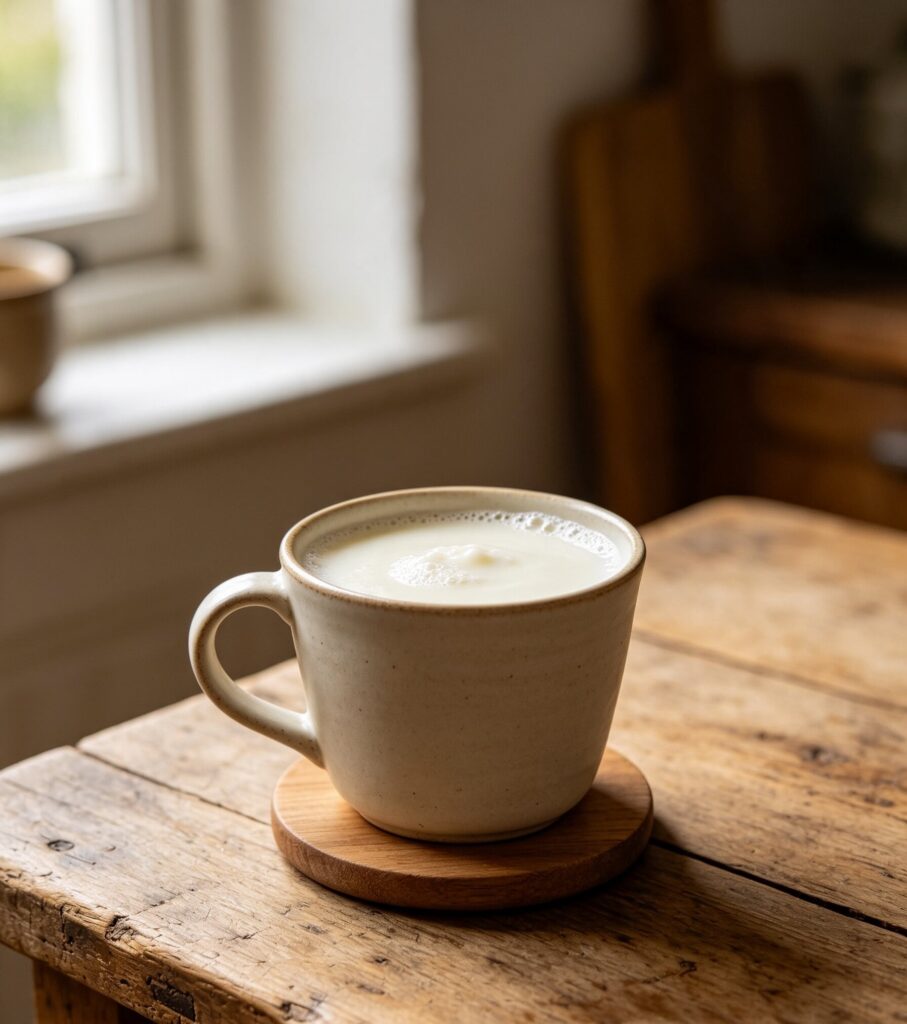
Shubat (Fermented Camel’s Milk)
Ingredients
- 3 litres (12 cups) fresh camel's milk
- 200 ml (3/4 cup) active shubat starter culture (from a previous batch, or a suitable lactic starter)
Method
- Pour the fresh camel's milk into a clean fermentation vessel.
- Stir in the active starter culture thoroughly.
- Cover with a clean cloth to protect the milk while allowing it to breathe.
- Leave at room temperature for 12-24 hours, stirring occasionally, until the milk thickens and develops a pleasantly sour, tangy flavour.
- Stir well before transferring to a clean storage vessel.
- Chill before serving.
Introduction: Shubat is a rich, tangy fermented drink made from camel's milk, traditionally produced in the arid regions of southern Kazakhstan where camels are herded alongside horses and sheep.
Cultural Background: Shubat is a rich, tangy fermented drink made from camel's milk, traditionally produced in the arid regions of southern Kazakhstan where camels are herded alongside horses and sheep. Thicker and creamier than kymyz, it is valued as both a refreshing drink and a traditional remedy, often offered to guests as a gesture of welcome.
Tips: Camel's milk ferments differently from cow or mare's milk, so monitor texture rather than relying solely on time. A cooler fermenting environment slows the process and can produce a milder flavour.
Variations: A thicker, yogurt-like version is achieved with a longer fermentation period. Some regions serve shubat lightly chilled with a touch of honey for sweetness.
Storage: Store in the refrigerator and consume within 2-3 days, as fermentation continues during storage.
Reheating: Served cold; not intended to be reheated.
FAQs:
Q: How does shubat differ from kymyz?
A: Shubat is made from camel's milk rather than mare's milk, giving it a thicker, creamier texture and a generally milder alcohol content.
Q: Is shubat available outside camel-herding regions?
A: It is most commonly found fresh in southern Kazakhstan, though bottled versions are sold more widely within the country.
Please log in to leave a comment.