
Street Food
Sfinz (Libyan Fried Dough)
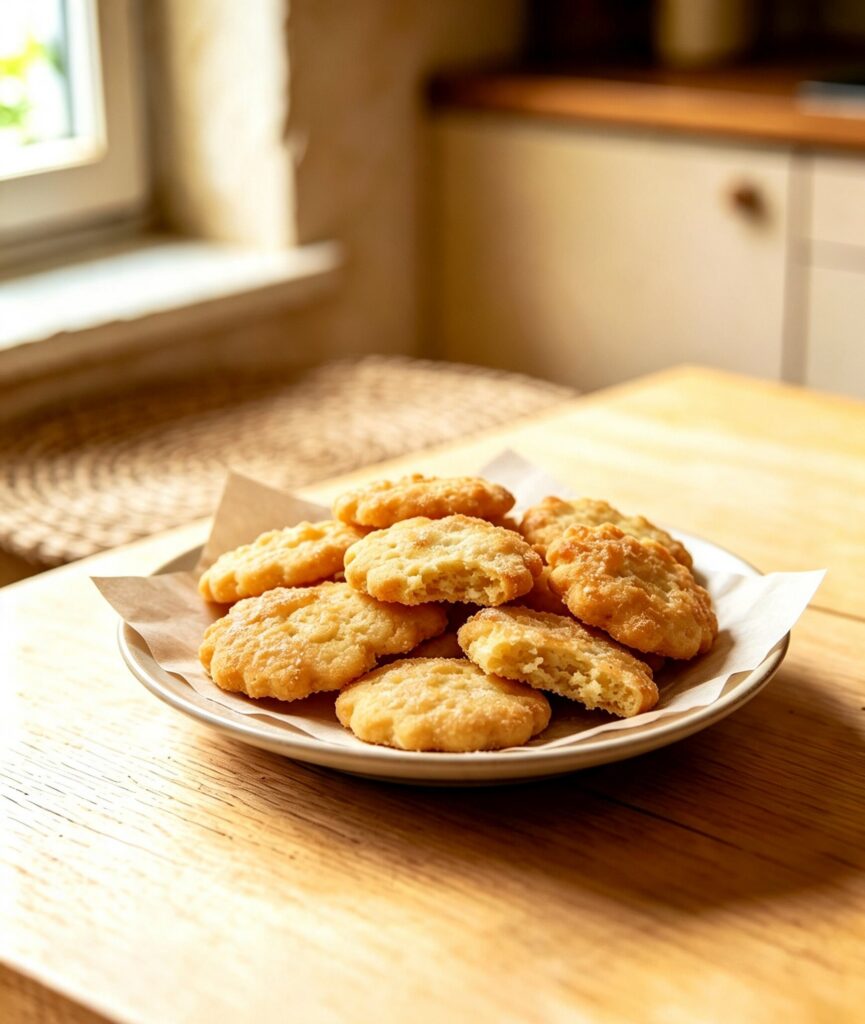
Ingredients
- 500 g (4 cups) plain flour
- 7 g (2.25 tsp) instant yeast
- 1 tsp sugar
- 1 tsp salt
- 350 ml (1.5 cups) warm water
- Vegetable oil, for frying
- Honey or sugar, for serving
Method
- Combine flour, yeast, sugar and salt in a large bowl.
- Gradually add warm water, mixing to form a soft, quite wet, sticky dough - it should be looser than a typical bread dough.
- Cover and let rise in a warm place for 1-1.5 hours until doubled and bubbly.
- Heat about 5 cm (2 in) of vegetable oil in a deep pan to 175C (350F).
- Wet your hands with water, take a handful of dough, and stretch it into a ring shape or flattened disc directly over the oil, then carefully drop it in.
- Fry for 2-3 minutes per side until deep golden and puffed, turning once.
- Remove with a slotted spoon and drain on paper towels.
- Serve warm, drizzled with honey or dusted with sugar.
Introduction: Sfinz are pillowy, deep-fried rings of yeasted dough sold hot by street vendors across Libya, especially popular in the early morning or as an evening snack.
Cultural Background: Sfinz are pillowy, deep-fried rings of yeasted dough sold hot by street vendors across Libya, especially popular in the early morning or as an evening snack. Crisp on the outside and soft within, they are traditionally dipped in honey, sugar, or a savory harissa-spiked sauce.
Tips: Keep your hands wet with water when handling the dough, as it is intentionally sticky and this prevents it from sticking to your fingers. Maintain steady oil temperature – too hot and the outside burns before the inside cooks; too cool and the sfinz become greasy.
Variations: A savory version is dipped in a spicy tomato-harissa sauce instead of honey, popular as a market snack.
Storage: Best eaten fresh and warm; can be kept at room temperature for a few hours.
Reheating: Warm briefly in an oven at 180C (350F) for 5 minutes to restore some crispness; avoid microwaving as it makes them soggy.
FAQs:
Q: Why is my sfinz dense rather than airy?
A: Make sure the dough is well-risen and quite wet; a stiffer dough produces a denser result.
Q: Can these be baked instead of fried?
A: Traditional sfinz relies on deep frying for its characteristic crisp shell; baking will give a bread-like result rather than the classic texture.
Please log in to leave a comment.