
Sakau (Sakau)
The Quirky Foodster Team
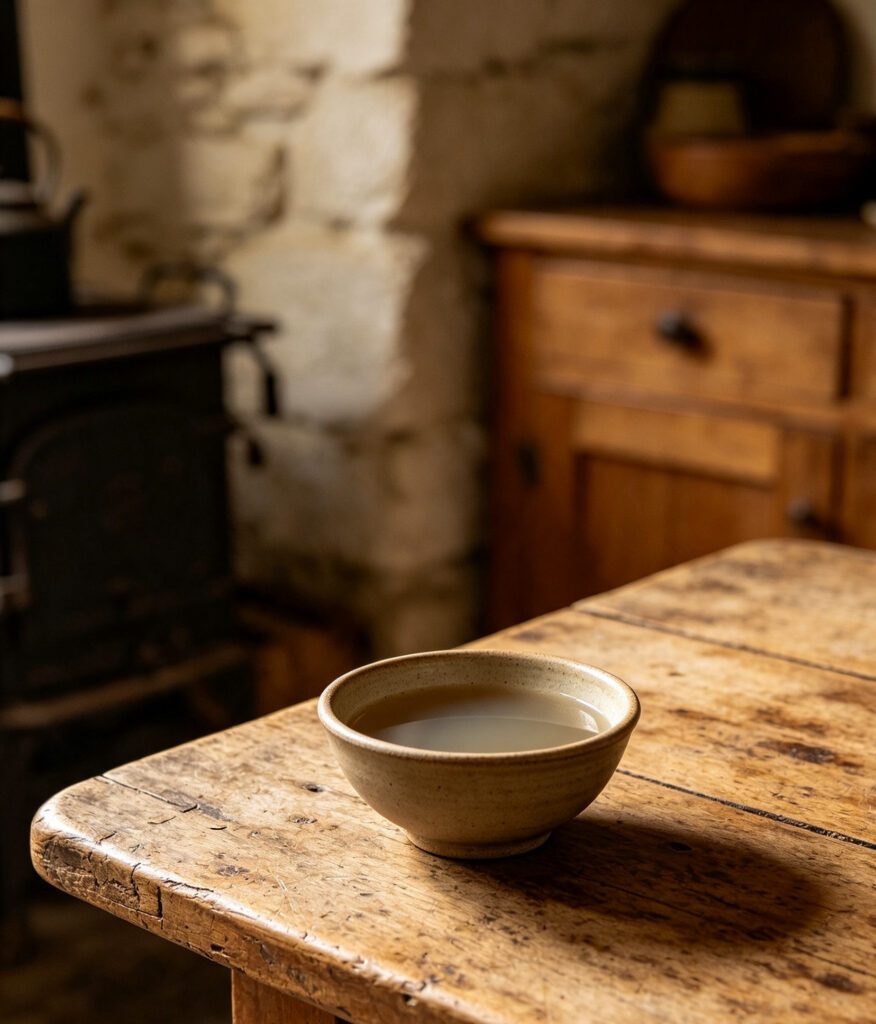
Ingredients
- Fresh sakau (kava) root, cleaned and cut into pieces — 500 g (1 lb 2 oz)
- Water — 2 cups (480 ml / 16 fl oz)
Method
- Clean the sakau root thoroughly and cut into manageable pieces.
- Pound the root pieces on a flat stone or in a heavy mortar, adding water gradually, until it breaks down into a fibrous, pulpy mash.
- Gather the pounded pulp into a cloth and squeeze firmly over a container to extract the liquid, adding a little more water and repeating to extract as much as possible.
- Discard the spent fibre.
- Serve the strained liquid immediately in coconut shell cups, traditionally shared in a specific order reflecting community rank and custom.
Introduction: A traditional, ceremonial drink made by pounding the root of the sakau (kava) plant, central to social and cultural life on Pohnpei.
Cultural Background: Sakau is deeply woven into Pohnpeian tradition, prepared and shared during ceremonies, title-bestowal events and community gatherings, its preparation and sharing governed by long-established customs of respect and hierarchy.
Tips: Traditional preparation is a communal, skilled process — this recipe describes the basic technique, though customary preparation follows specific cultural protocols best learned from those familiar with the practice. Serve promptly after straining, as sakau is enjoyed fresh.
Variations: The strength can be adjusted by using more or less water during the pounding and straining process. Preparation methods and serving customs can vary slightly between communities.
Storage: Best consumed fresh and immediately; not suitable for storing.
Reheating: This drink is served at room temperature and is not heated.
Nutrition: Per serving (approx.): 20 kcal, 0 g protein, 0 g fat, 4 g carbohydrate.
FAQs:
Q: What effect does sakau have?
A: It is known for a mildly relaxing, sedative effect, traditionally used
Q: Is sakau the same as kava found elsewhere in the Pacific?
A: It is closely related to kava prepared
- Fresh sakau (kava) root, cleaned and cut into pieces — 500 g (1 lb 2 oz)
- Water — 2 cups (480 ml / 16 fl oz)
Please log in to leave a comment.