
Pulque (Fermented Maguey Drink)
The Quirky Foodster Team
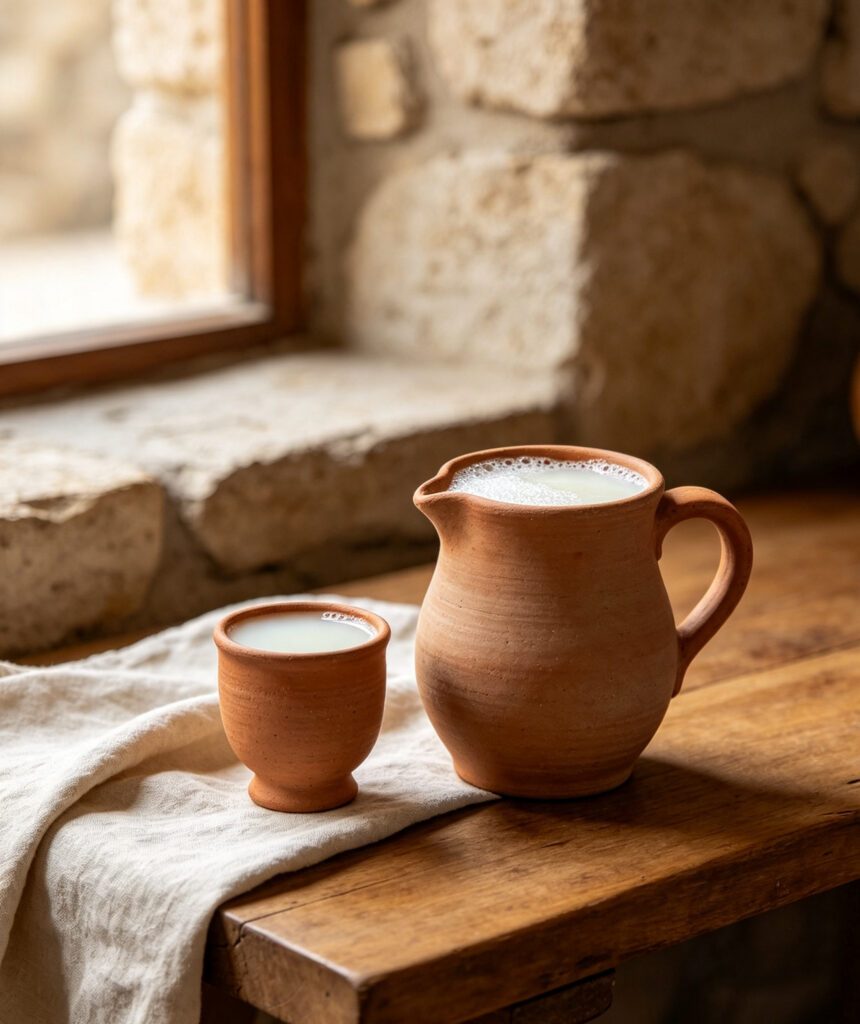
Ingredients
- Fresh aguamiel (maguey/agave sap), available from specialist suppliers, or substitute 1 litre agave nectar diluted 1:10 with water as a home approximation — 1 L (4 cups)
- A small amount (about 50 ml) of existing pulque or a natural fermentation starter, if available
Method
- If using genuine fresh aguamiel, pour it into a very clean glass or ceramic vessel.
- Add the small amount of existing pulque or starter if available, to introduce the natural bacteria and yeasts needed for fermentation.
- Cover the vessel loosely with a clean cloth, allowing air to reach the liquid while keeping out insects and debris.
- Leave in a cool, dark place for 24-72 hours, tasting periodically, until the liquid has developed a tangy, slightly viscous, mildly fizzy character.
- Strain through a fine sieve before serving, chilled or at room temperature.
- Consume promptly once fermented to the desired degree, as pulque continues to develop and does not keep well over long periods.
Introduction: A mildly alcoholic, tangy drink made from the fermented sap of the maguey (agave) plant, pulque held deep ceremonial and social significance across Mexica society.
Cultural Background: Pulque was closely tied to Mexica religion and ritual, associated with the deity Mayahuel and the many gods of pulque known as the Centzon Totochtin. While its consumption was regulated, particularly for the young, elderly people and those participating in specific ceremonies were permitted and even encouraged to drink it, and it remains a traditional Mexican beverage today, though now made using modern fermentation practices.
Tips: Genuine aguamiel and traditional pulque starters are difficult to source outside of central Mexico; the diluted agave nectar approximation gives a sense of the drink’s character but will not truly ferment into an authentic pulque without a genuine live starter culture. Absolute cleanliness of all equipment is essential throughout, as unwanted bacteria can easily spoil the batch.
Variations: Historically and today, pulque is sometimes flavoured with fresh fruit, a preparation known as curado, though the plain version described here is the more traditional ceremonial form. For a modern, food-safe approximation without true fermentation, the diluted agave nectar can simply be served chilled and unfermented as a non-alcoholic nod to the drink’s flavour profile.
Storage: Fresh pulque does not store well and is traditionally consumed within a day or two of reaching the desired fermentation; refrigerate and consume promptly.
Reheating: This drink is always served cold or at room temperature and should never be heated.
Nutrition: Per serving (approx., 200 ml, true fermented pulque): 60 kcal, 1 g protein, 8 g carbohydrate, 0 g fat, 0 g fibre, 5 mg sodium.
FAQs:
Q: Can I make authentic pulque at home outside of Mexico?
A: It is very difficult, as it relies on fresh aguamiel sap and specific naturally occurring microorganisms found in the maguey plant and traditional fermentation vessels; most people outside central Mexico will only be able to approximate its flavour rather than reproduce it exactly.
Q: Is pulque the same as tequila or mezcal?
A: No, pulque is a fermented, mildly alcoholic drink made directly from agave sap, while tequila and mezcal are distilled spirits made from cooked and fermented agave hearts, a different process developed later.
- Fresh aguamiel (maguey/agave sap), available from specialist suppliers, or substitute 1 litre agave nectar diluted 1:10 with water as a home approximation — 1 L (4 cups)
- A small amount (about 50 ml) of existing pulque or a natural fermentation starter, if available
Please log in to leave a comment.