
Pelmeni
The Quirky Foodster Team
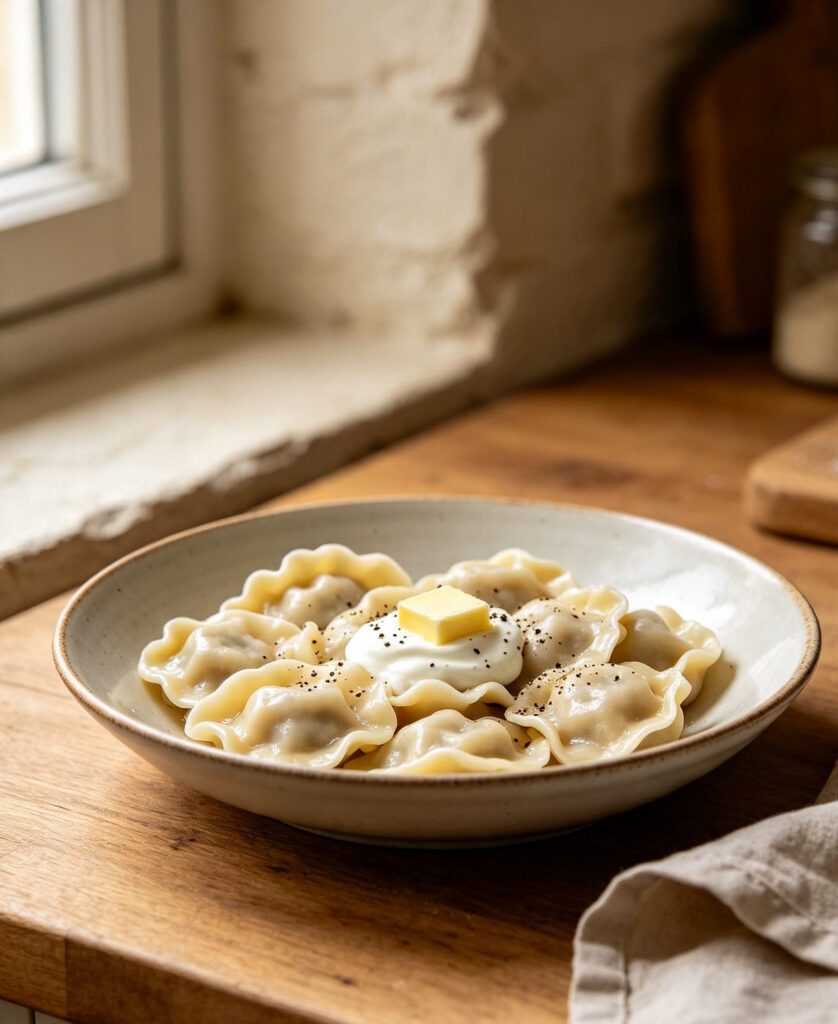
Ingredients
- Plain flour — 375 g (13 oz)
- Egg — 1
- Water — 240 ml (8 fl oz)
- Salt — 1 tsp
- Minced beef — 300 g (10.5 oz)
- Minced pork — 200 g (7 oz)
- Onion, finely grated — 1
- Salt and pepper — to taste
- Sour cream and vinegar, to serve
Method
- Combine the flour, egg, water and salt into a smooth, firm dough; rest for 30 minutes.
- Combine the minced beef, pork, grated onion, salt and pepper for the filling.
- Roll the dough thin and cut into rounds.
- Place a small spoonful of filling on each round, fold over, and pinch the edges to seal, then bring the two corners together and pinch to form the classic pelmeni shape.
- Bring a large pot of salted water to a boil.
- Drop the pelmeni into the boiling water and cook for 6–8 minutes until they float and the filling is cooked through.
- Serve hot with sour cream and a splash of vinegar.
Introduction: Small dumplings filled with seasoned minced meat, boiled and served with sour cream, one of Russia's most beloved and iconic dishes.
Cultural Background: Pelmeni hold deep cultural significance in Russia, particularly in Siberia, where they were historically made in huge batches and frozen outdoors during winter, a tradition of togetherness and preparation that continues in family kitchens today.
Tips: Seal the edges very firmly, as this prevents the filling from leaking out during boiling. Freeze uncooked pelmeni on a tray before transferring to a bag, a traditional way to keep a batch ready for quick meals.
Variations: Use only beef or only pork for a simpler filling. Serve with melted butter instead of sour cream, another classic preparation.
Storage: Refrigerate cooked pelmeni in an airtight container for up to 2 days, or freeze uncooked for months.
Reheating: Reheat by boiling briefly, or pan-frying in a little butter until warmed through.
FAQs:
Q: What is the traditional shape of pelmeni?
A: A small, ear-like shape formed by folding the dough over the filling and pinching the two corners together.
Q: Why were pelmeni historically frozen outdoors?
A: In Siberia's harsh winters, families would make huge batches and freeze them naturally outside, providing a convenient, ready-to-cook meal throughout the cold season.
- Plain flour — 375 g (13 oz)
- Egg — 1
- Water — 240 ml (8 fl oz)
- Salt — 1 tsp
- Minced beef — 300 g (10.5 oz)
- Minced pork — 200 g (7 oz)
- Onion, finely grated — 1
- Salt and pepper — to taste
- Sour cream and vinegar, to serve
Please log in to leave a comment.