
Oshikundu (Oshikundu)
The Quirky Foodster Team
Ingredients
- Mahangu (pearl millet) flour — 280 g (10 oz)
- Sorghum flour — 140 g (5 oz)
- Water, divided — 1.9 L (64 fl oz)
- A small amount of existing oshikundu or a natural yeast starter
Method
- Combine the mahangu and sorghum flours with 3 cups of water and simmer in a large pot for 15–20 minutes, stirring, until it forms a thin, cooked porridge.
- Let the mixture cool to lukewarm.
- Transfer to a large fermentation container and add the remaining water along with a small amount of existing oshikundu or a natural starter.
- Cover loosely and let ferment at room temperature for 24–48 hours, stirring occasionally, until it develops a pleasant sour tang and slight effervescence.
- Strain if desired and serve chilled or at room temperature.
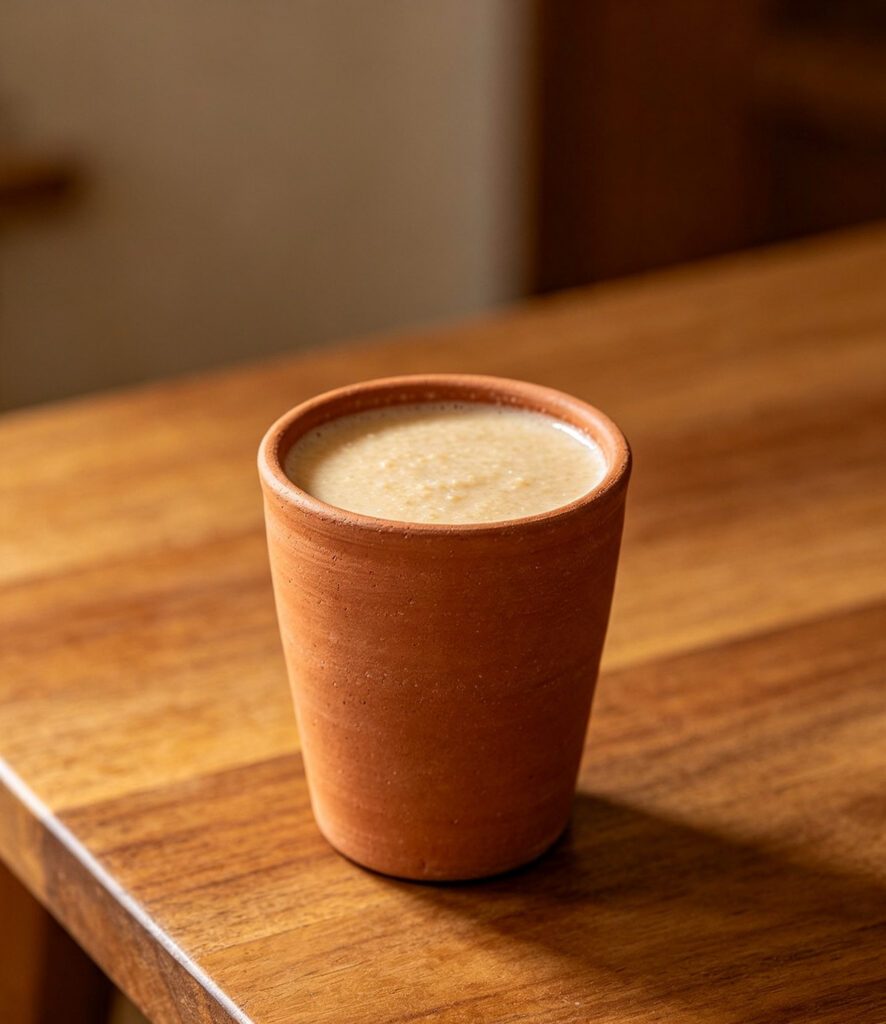
Introduction: A lightly fermented, mildly sour mahangu drink, a refreshing traditional beverage central to Owambo hospitality.
Cultural Background: Oshikundu is one of the most important traditional drinks in northern Namibia, made from fermented mahangu and sorghum, and offering it to guests is a fundamental gesture of Owambo hospitality.
Tips: Fermentation time can vary with room temperature — taste periodically until the desired tang develops. A little starter from a previous batch speeds up and ensures consistent fermentation, much like a sourdough starter.
Variations: Adjust the ratio of mahangu to sorghum to taste, as recipes vary by household. Serve very fresh for a milder flavour, or let ferment longer for a more pronounced tang.
Storage: Store in a sealed container in the refrigerator for up to 3 days, as fermentation continues over time.
Reheating: This drink is served cold or at room temperature and is not reheated.
FAQs:
Q: Is oshikundu alcoholic?
A: It contains a very small amount of alcohol from fermentation, generally considered mild enough for a family drink.
Q: Why is oshikundu important to hospitality?
A: Offering oshikundu to a guest is a traditional and meaningful gesture of welcome in Owambo culture.
- Mahangu (pearl millet) flour — 280 g (10 oz)
- Sorghum flour — 140 g (5 oz)
- Water, divided — 1.9 L (64 fl oz)
- A small amount of existing oshikundu or a natural yeast starter
Please log in to leave a comment.