
Heri Heri
The Quirky Foodster Team
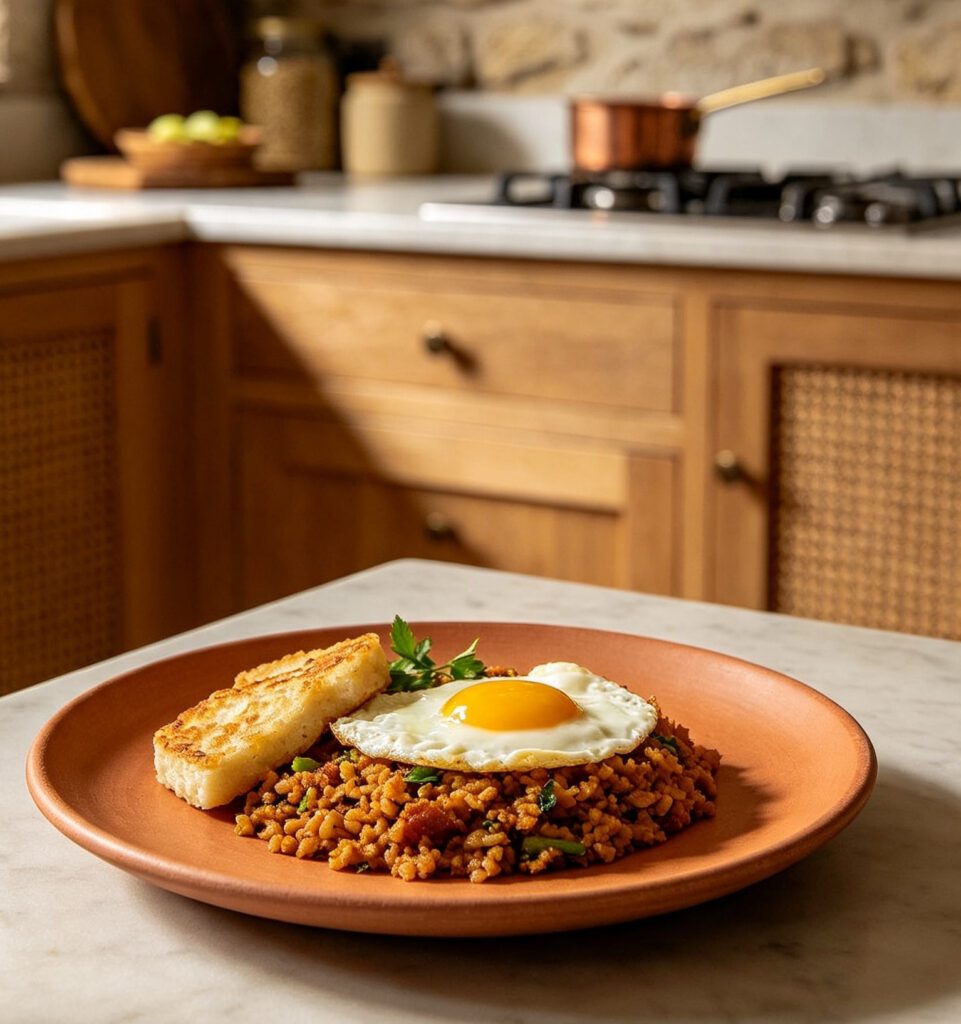
Ingredients
- Cassava, peeled and cut into chunks — 400 g (14 oz)
- Yellow yam, peeled and cut into chunks — 300 g (10.5 oz)
- Sweet potato, peeled and cut into chunks — 300 g (10.5 oz)
- Medium Ripe plantain, peeled and sliced — 2
- Salted cod (bakkeljauw), soaked overnight — 300 g (10.5 oz)
- Large Eggs — 4
- Medium Onion, sliced — 1
- Medium Tomato, diced — 2
- Garlic, minced — 2 cloves
- Vegetable oil — 3 tbsp
- Salt — to taste
- Black pepper — to taste
Method
- Drain the soaked salt fish, cover with fresh water and simmer 15 minutes to remove excess salt, then drain and flake, discarding skin and bones.
- Boil the cassava, yam and sweet potato in separate pots of salted water until just fork-tender, 15-20 minutes; drain well.
- While the roots cook, heat 1 tablespoon oil in a frying pan and shallow-fry the plantain slices until golden on both sides. Set aside.
- In the same pan, heat the remaining oil and saute the onion and garlic until soft, then add the tomato and flaked fish and cook 5 minutes.
- Fry the eggs sunny-side up in a separate pan to your preference.
- Arrange the boiled roots, fried plantain, fish mixture and a fried egg together on each plate and serve hot.
Introduction: Heri Heri is a Creole (Afro-Surinamese) breakfast plate built from boiled ground provisions — cassava, sweet potato, yellow yam and plantain — served alongside flaked salt fish and a fried egg.
Cultural Background: Heri Heri is a Creole (Afro-Surinamese) breakfast plate built from boiled ground provisions — cassava, sweet potato, yellow yam and plantain — served alongside flaked salt fish and a fried egg. The name comes from Sranan Tongo and roughly means ‘everything together,’ reflecting its origins as a filling, low-cost meal that fed plantation and later dock workers before a long day of labor. It remains one of the most recognisable dishes of Suriname’s Creole community and is still eaten on weekend mornings across Paramaribo.
Tips: Soak the salt fish for a full 24 hours if you have time, changing the water twice, for the mildest flavour. Don’t let the roots boil too hard or they will turn mushy and waterlog the plate. A spoon of pindasaus (peanut sauce) on the side is a popular addition.
Variations: Swap the salt fish for smoked mackerel for a lighter flavour. For a vegetarian version, replace the fish with pan-fried smoked tofu seasoned with a little smoked paprika and salt. An authentic-feeling vegetarian version is easy to make by swapping the flaked salt fish for smoked tofu sauteed with the same onion, garlic and tomato base; the roots, plantain and egg stay the same.
Storage: Store components separately in airtight containers in the refrigerator for up to 2 days.
Reheating: Reheat the roots and fish mixture gently in a covered pan with a splash of water, or steam; fry a fresh egg to serve.
FAQs:
Q: What is bakkeljauw?
A: Bakkeljauw is the Surinamese name for salted, dried cod, a preserved fish brought to the Caribbean and Suriname through the Atlantic trade and still widely used in Creole cooking.
Q: Can I use fresh fish instead of salt fish?
A: Yes, though the dish loses some of its traditional character. Pan-fry a firm white fish with the same onion and tomato base as a substitute.
Q: Is Heri Heri naturally gluten-free?
A: Yes, all the traditional components are gluten-free as written.
- Cassava, peeled and cut into chunks — 400 g (14 oz)
- Yellow yam, peeled and cut into chunks — 300 g (10.5 oz)
- Sweet potato, peeled and cut into chunks — 300 g (10.5 oz)
- Medium Ripe plantain, peeled and sliced — 2
- Salted cod (bakkeljauw), soaked overnight — 300 g (10.5 oz)
- Large Eggs — 4
- Medium Onion, sliced — 1
- Medium Tomato, diced — 2
- Garlic, minced — 2 cloves
- Vegetable oil — 3 tbsp
- Salt — to taste
- Black pepper — to taste
Please log in to leave a comment.