
Desserts
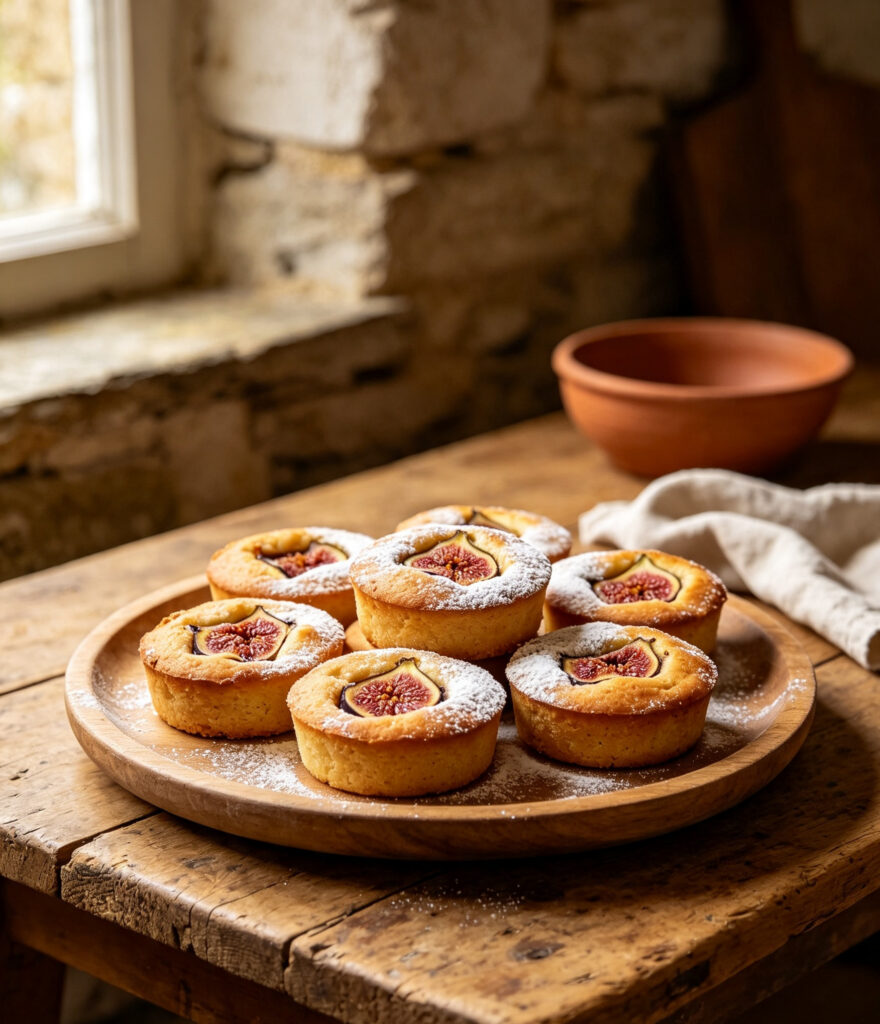
Fig Cakes (Ugot Te’enim)
sjfegan
Ingredients
- 450g (3 cups) Dried figs, chopped
- 85g (1/4 cup) Honey
- 50g (1/2 cup) Chopped almonds
- 1/2 tsp ground fennel seed
- Sesame seeds, for coating
Method
- Combine the chopped dried figs, honey, chopped almonds and fennel seed in a bowl, mixing thoroughly until it forms a sticky mass.
- Press the mixture into a compact log or divide into small round cakes.
- Roll in sesame seeds to coat.
- Let set at room temperature for a few hours before slicing and serving.
Introduction: Dense cakes made from dried, pressed figs, a portable and treasured sweet reflecting Carthage’s celebrated fig harvests.
Cultural Background: Pressed fig cakes were a practical way to preserve and enjoy the region’s abundant, highly regarded fig harvest, portable and long-keeping, making them valuable provisions for Carthage’s extensive seafaring and trading activities.
Tips: Mix thoroughly so the honey binds the mixture into a cohesive mass. Press firmly when shaping, as this helps the cakes hold together well.
Variations: Add a few chopped walnuts alongside the almonds. Wrap individual portions in fig or grape leaves for a traditional, portable presentation.
Storage: Store in an airtight container at room temperature for up to 3 weeks.
Reheating: Not applicable — served at room temperature.
Nutrition: Per serving (approx.): 220 kcal, 4 g protein, 6 g fat, 42 g carbohydrate.
FAQs:
Q: Why were fig cakes practical for Carthaginian sailors?
A: Their dense, portable and long-keeping qualities made them ideal provisions for the extensive maritime trading voyages that were central to Carthaginian commerce.
Q: How highly regarded were Carthaginian figs?
A: Very highly — ancient sources single out Carthaginian figs for their exceptional quality, reflecting the region’s fertile growing conditions.
Please log in to leave a comment.