
Desserts
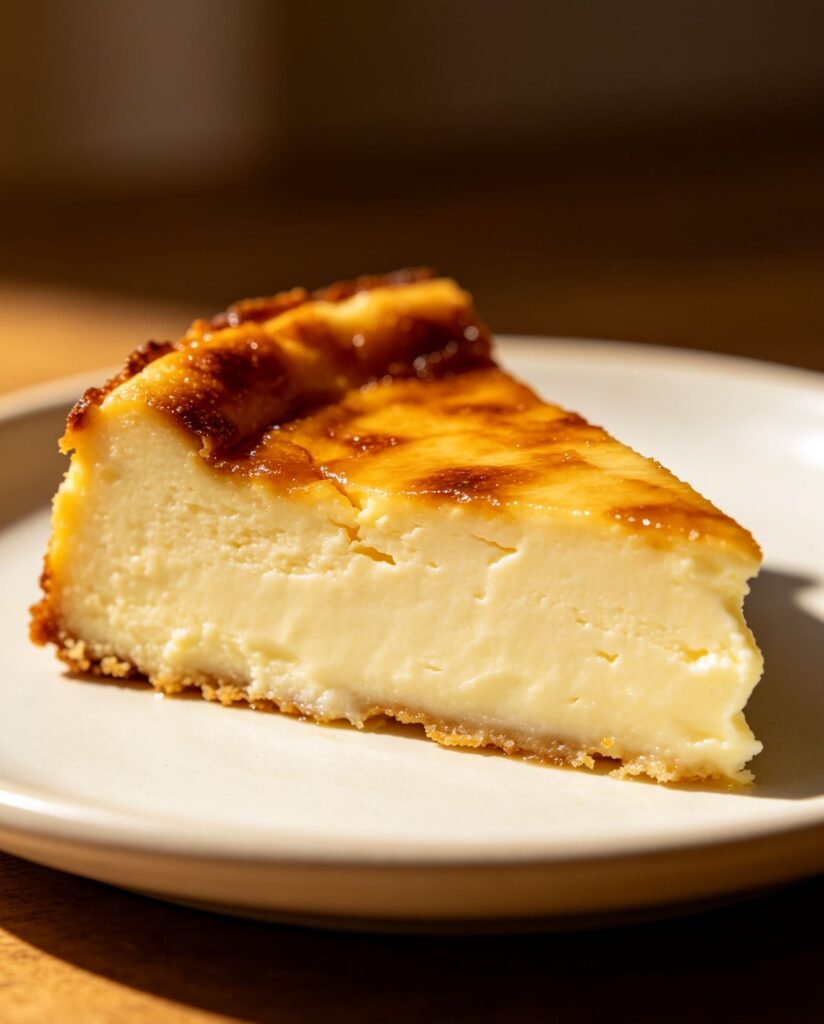
Chilean Baked Milk Custard
The Quirky Foodster Team
Ingredients
- 1 L (4 cups) whole milk
- 6 large eggs
- 1 cup (200 g) sugar, plus 1/4 cup for the topping
- 1 tsp vanilla extract
- A pinch of ground cinnamon
Method
- Preheat the oven to 180°C (350°F).
- Whisk together the milk, eggs, 1 cup sugar and vanilla in a large bowl until well combined but not overly frothy.
- Pour the mixture into a greased baking dish or individual ramekins.
- Sprinkle the remaining sugar evenly over the surface — this will caramelize as it bakes.
- Place the dish in a larger roasting pan and add hot water to come halfway up the sides (a bain-marie).
- Bake for 45-55 minutes until just set with a slight wobble in the center, and the top is golden brown.
- Dust with cinnamon and let cool before serving warm or chilled.
Introduction: Leche asada, meaning 'roasted milk,' is a simple baked custard similar to flan but denser and often unmolded with a caramelized top rather than a runny caramel sauce, a comforting dessert found in home kitchens throughout Chile.
Cultural Background: Leche asada, meaning 'roasted milk,' is a simple baked custard similar to flan but denser and often unmolded with a caramelized top rather than a runny caramel sauce, a comforting dessert found in home kitchens throughout Chile.
Tips: The water bath prevents the custard from curdling or developing a rubbery texture — don't skip it.
Variations: Some versions add a splash of pisco or orange zest to the milk mixture for extra depth. Fully vegetarian; not vegan due to milk and eggs.
Breads
Storage: Refrigerate covered for up to 4 days.
Reheating: Best served cold or at room temperature; if desired, warm gently in a low oven for 10 minutes, though it's traditionally eaten chilled. Nutrition (approx., per serving) Approx. 230 kcal, 8g protein, 32g carbohydrate, 7g fat, 0g fiber per serving.
FAQs
Q: How is leche asada different from flan?
A: It's generally denser and eaten straight from the dish with its caramelized top, rather than unmolded with a separate caramel sauce.
Q: Why did my custard turn watery or grainy?
A: This usually means it was overbaked or the water bath wasn't used — bake just until set with a gentle wobble.
Please log in to leave a comment.