
Canjeero (Laxoox)
The Quirky Foodster Team
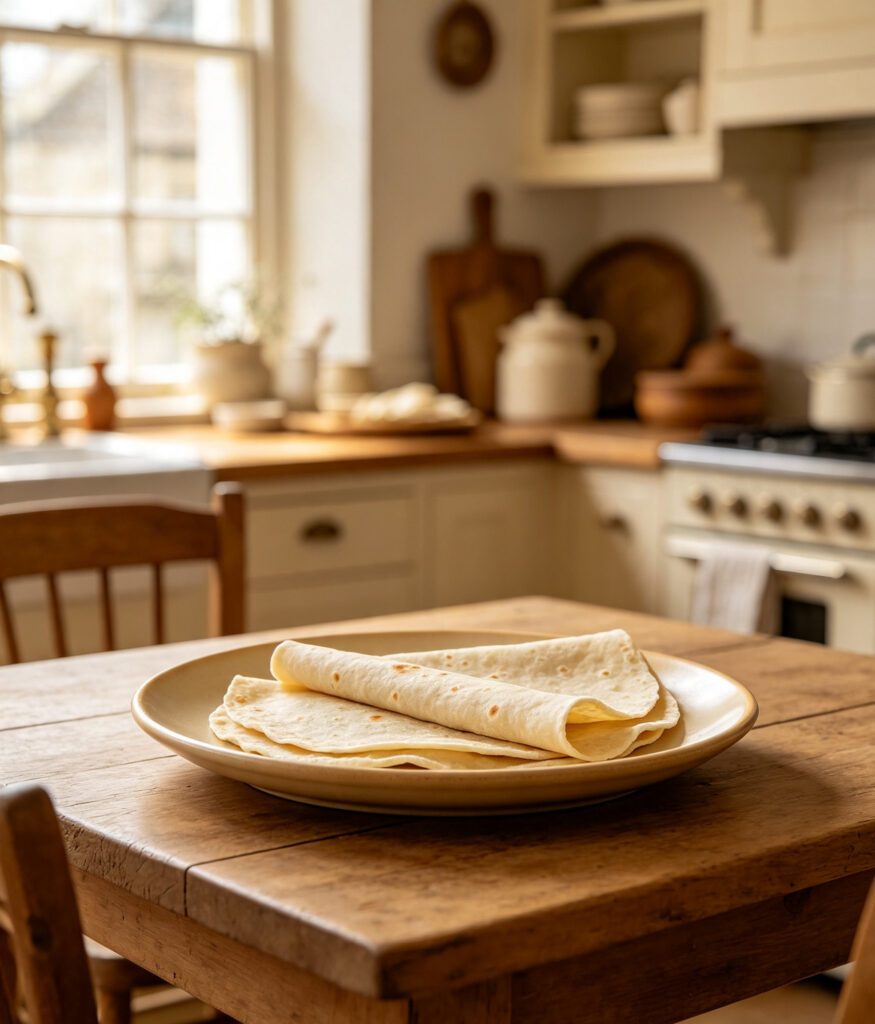
Ingredients
- Plain flour — 500 g (4 cups)
- Fine cornmeal — 120 g (1 cup)
- Instant yeast — 7 g (2 1/4 tsp)
- Sugar — 1 tsp
- Salt — 1 tsp
- Warm water, plus more as needed — 750 ml (3 cups)
- Vegetable oil, for the griddle — 2 tbsp (30 ml)
Method
- Prep Time 20 minutes active (plus 8–12 hours Cook Time 20 minutes fermentation)
- Total Time 8–12 hours 40 minutes (mostly Difficulty Easy unattended fermentation)
- Occasion Everyday Season Year-round
- Servings Serves 4 (makes about 10 small Dietary Tags Vegetarian; Vegan (with water flatbreads) instead of milk); can be made gluten-free with a gluten-free flour blend
- Native Recipe Canjeero (Laxoox) SEO Keywords canjeero recipe, somali flatbread,
- Name laxoox, somali breakfast bread, how to make canjeero
Introduction: Spongy fermented Somali flatbread, the everyday breakfast staple
Cultural Background: Canjeero, also called laxoox in the north of the country, is the Somali equivalent of the injera found across the Horn of Africa. Almost every Somali household eats it for breakfast, torn by hand and dipped into sweetened tea, ghee, sugar, or a savoury stew. Its slightly sour flavour comes from an overnight fermentation of a simple flour-and-water batter, a technique that stretches back generations and needs no special equipment beyond a flat griddle. Families often make a large batch in the morning and keep the extras warm under a cloth for anyone who wakes up later.
Tips: A well-seasoned non-stick pan is essential — canjeero tears easily on a sticky surface. The batter should sizzle gently, not violently, when it hits the pan; adjust the heat down if it browns too fast. If your kitchen is cool, fermentation can take closer to 12–14 hours — look for bubbles rather than a clock.
Variations: Sorghum or millet flour can replace up to half the plain flour for a more traditional, nuttier flavour. A pinch of ground fenugreek in the batter adds the slightly bitter, earthy note found in some regional versions. Naturally vegetarian; use water instead of any milk-based variation to keep it vegan.
Storage: Cooked canjeero keeps well wrapped in foil or a sealed container in the refrigerator for up to 3 days. Stack with parchment paper between pieces to stop them sticking.
Reheating: Warm gently in a dry non-stick pan over low heat for 30–60 seconds per side, or wrap in a damp paper towel and microwave for 20–30 seconds.
Nutrition: Per flatbread (approx.): 140 kcal, 4 g protein, 27 g carbohydrate, 2 g fat, 1 g fibre
FAQs:
Q: Can I skip the fermentation?
A: You can rest the batter for just 1 hour for a quicker version, but you will lose the characteristic tangy flavour and airy holes.
Q: Why is my canjeero not holey?
A: This usually means the batter is too thick or the pan isn't hot enough — thin the batter slightly and preheat the pan fully before the first flatbread.
Q: Is canjeero the same as injera?
A: They are close cousins. Injera is traditionally made purely from teff and is generally thinner; canjeero uses wheat flour and cornmeal and is slightly thicker and spongier.
- Plain flour — 500 g (4 cups)
- Fine cornmeal — 120 g (1 cup)
- Instant yeast — 7 g (2 1/4 tsp)
- Sugar — 1 tsp
- Salt — 1 tsp
- Warm water, plus more as needed — 750 ml (3 cups)
- Vegetable oil, for the griddle — 2 tbsp (30 ml)
Please log in to leave a comment.