
Spirits & Liqueurs
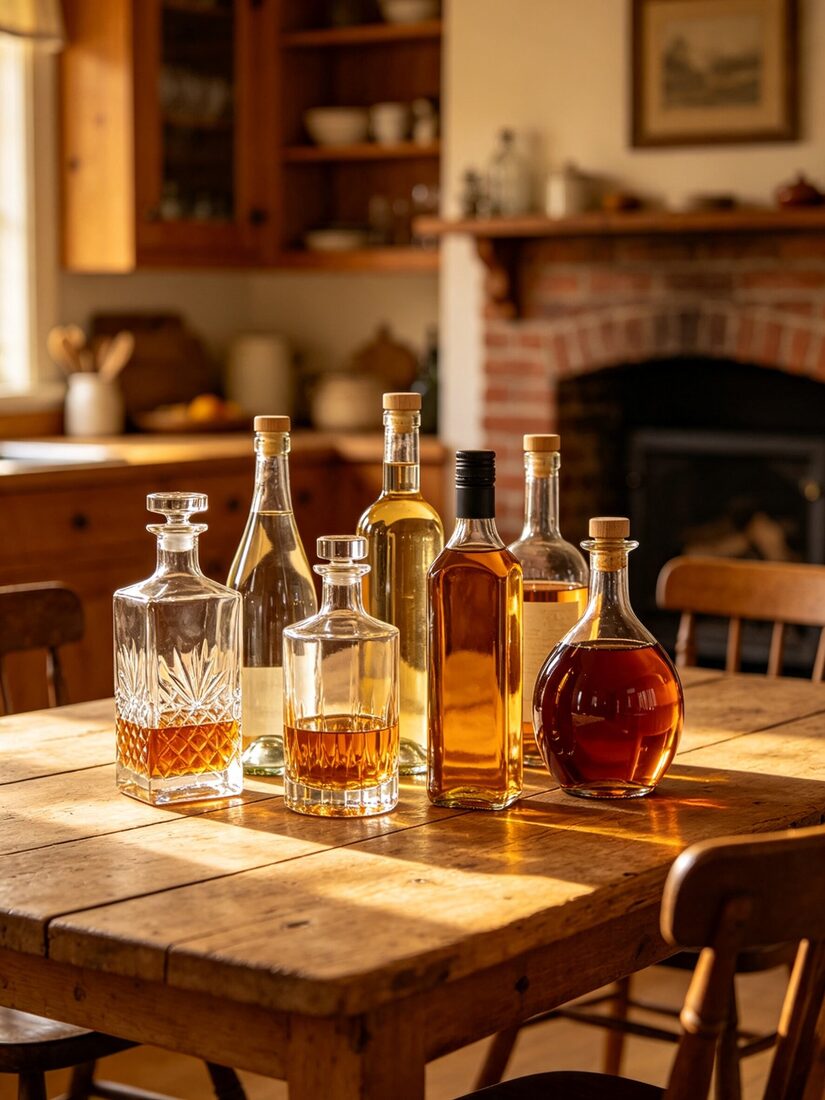
SPIRITS (Distilled, Unsweetened Base Liquors)
Distilled from fermented grain mash (barley, corn, rye, or wheat), typically aged in wood barrels. Sipped neat or on the rocks, and central to classics like the Old Fashioned and Whiskey Sour. Scotch (barley, often peated), Bourbon (corn-based, American), and Rye (spicier, peppery) are the main styles.
Distilled from grains or potatoes and filtered to be as neutral and clean as possible. Prized for versatility — the backbone of the Martini, Moscow Mule, and countless mixed drinks.
A neutral grain spirit redistilled with juniper berries and other botanicals (citrus peel, coriander, angelica root). The essential spirit of the Martini, Negroni, and Gin & Tonic.
Distilled from sugarcane juice or molasses. Light/white rum suits mojitos and daiquiris; dark and aged rum is often sipped neat or used in richer cocktails like the Mai Tai.
Distilled specifically from the blue agave plant, under protected regional status. Blanco (unaged) is sharp and vegetal; Reposado and Añejo are barrel-aged and smoother. The base of the Margarita and Paloma.
Distilled from various agave species, traditionally roasted in earthen pits, giving it a distinctive smoky character. Usually sipped neat, though increasingly used in cocktails.
Distilled from fermented fruit, most commonly grapes. Cognac and Armagnac (both from designated regions of France) are the most prestigious styles. Sipped after dinner, or used in a Sidecar or Brandy Alexander.
An Italian brandy distilled from pomace (the grape skins, seeds, and stems left over from winemaking). Sharp and aromatic, traditionally taken as a digestif.
A grape brandy distilled to proof (not diluted with water after distillation). The essential spirit of the Pisco Sour.
Distilled from fresh-pressed sugarcane juice (rather than molasses, distinguishing it from rum). The signature spirit of the Caipirinha.
China's most widely consumed spirit, distilled from fermented sorghum (sometimes with rice or wheat). Pungent and powerful, traditionally drunk neat during formal toasts and banquets.
A clear spirit traditionally distilled from rice (modern mass-market versions often use other starches). Lower proof than most spirits, drunk neat in shot-sized pours, often communally.
A high-proof spirit flavored with wormwood, anise, and fennel. Traditionally diluted with iced water poured over a sugar cube, causing it to turn cloudy ("louche").
LIQUEURS (Sweetened & Flavored Spirits)
An orange-flavored liqueur made by redistilling neutral spirit with bitter and sweet orange peels. Essential to the Margarita and Cosmopolitan.
A blend of cognac and orange liqueur. Richer and more complex than triple sec; used in cocktails or splashed into desserts like crêpes suzette.
An orange liqueur originally made from the dried peels of the bitter laraha citrus. Comes in clear, orange, or the vivid "blue curaçao" used for color in tiki-style cocktails.
An almond-flavored liqueur (often made from apricot kernels, which taste almond-like). Sipped on its own, added to coffee, or used in the Amaretto Sour.
A hazelnut liqueur, often bottled in a monk-shaped bottle referencing its origin story. Used in coffee drinks and dessert cocktails.
A blend of Irish whiskey, cream, and cocoa. Sipped neat over ice, added to coffee, or used in dessert-style cocktails.
A coffee-flavored liqueur made with rum and sugar. The key ingredient in a White Russian or Espresso Martini.
An anise-flavored liqueur, usually clear. Served neat, sometimes with coffee beans floated on top ("con la mosca"), or flambéed.
A bright lemon liqueur made by steeping lemon zest in spirit, then sweetening. Served ice-cold as a digestif after meals.
An herbal liqueur made from a closely guarded recipe of over 130 plants and botanicals, produced by Carthusian monks since the 1700s. Sipped as a digestif or used in classic cocktails like the Last Word.
A brandy-based herbal liqueur developed by Benedictine monks, sweet and warmly spiced. Sipped neat or used in cocktails such as the Vieux Carré.
A blend of Scotch whisky, honey, herbs, and spices. Sipped neat or used in the Rusty Nail.
A bright red, bitter aperitivo made from a secret blend of herbs, fruits, and botanicals. The defining bitter note in a Negroni or Americano.
Similar to Campari but lighter, sweeter, and less bitter, with notes of orange and rhubarb. The star of the Aperol Spritz.
A fortified, aromatized wine infused with botanicals (not strictly a "liqueur," but a close cousin). Dry (French-style) and sweet (Italian-style) versions are both essential to Martinis and Manhattans.
A sweet blackcurrant liqueur. Mixed with white wine for a Kir, or with champagne for a Kir Royale.
A mint-flavored liqueur, available in green or clear (white) forms. Used in dessert cocktails such as the Grasshopper.
A raspberry liqueur made with black raspberries, vanilla, and honey. Adds fruit and color to cocktails like the French Martini.
An elderflower liqueur made from hand-picked elderflower blossoms. Light and floral; popular in spritzes and Champagne cocktails.
A bright green, honeydew melon-flavored liqueur. Known for its vivid color, used in tropical and tiki-style cocktails.
A herbal liqueur made from a blend of 56 herbs, fruits, roots, and spices. Traditionally sipped as a digestif; also well known for chilled shots.
A broad category covering both strong, dry fruit brandies (traditional style) and the sweeter, flavored liqueurs more familiar internationally (peach, peppermint, etc.). Sipped neat or used to flavor mixed drinks.
A note on use: spirits generally form the base of a cocktail, providing the primary alcohol content, while liqueurs are lower-proof, sweetened, and flavored — used to add character, sweetness, or a specific flavor accent rather than as the main body of a drink.