
Piri-Piri / Peri-Peri Sauce
The Quirky Foodster Team
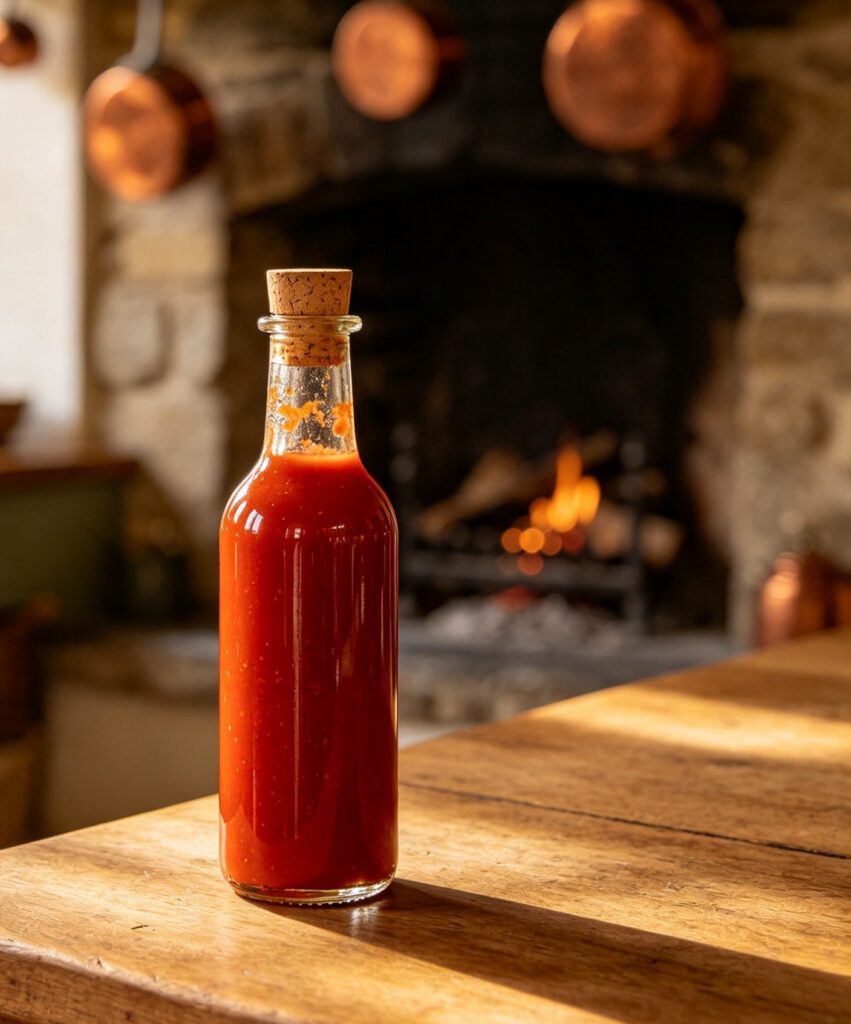
Ingredients
- African bird's eye chili
- Garlic
- Citrus (lemon or vinegar)
- Oil
Method
- A chili sauce built on the African bird's eye chili (Capsicum frutescens, called piri-piri in Swahili/Bantu languages), traditionally blended with garlic, citrus (lemon or vinegar), and oil. The Portuguese colonial period spread the chili and the sauce name between Africa, Portugal, and Brazil, producing many regional descendants.
Origin: Mozambique / Angola (Portuguese East and Southwest Africa), popularized globally via Portugal and South Africa. A chili sauce built on the African bird’s eye chili (Capsicum frutescens, called piri-piri in Swahili/Bantu languages), traditionally blended with garlic, citrus (lemon or vinegar), and oil. The Portuguese colonial period spread the chili and the sauce name between Africa, Portugal, and Brazil, producing many regional descendants.
Flavor Profile: Sharp, fruity heat with citrus acidity and garlic pungency; commercial versions (e.g., Nando’s-style) are often sweeter and milder than home-style African versions.
Culinary Uses: Marinade and basting sauce for grilled chicken (frango piri-piri is the signature dish); table sauce for grilled meats and seafood; splashed into stews.
Regional Variations: South African peri-peri sauce is commonly sweeter with paprika added; Mozambican versions lean more purely on chili, garlic, and citrus; Portuguese piri-piri oil (chili-infused olive oil) is a simpler cousin used as a finishing drizzle.
Storage: Refrigerate after opening; keeps several weeks to months depending on vinegar/citrus content. Piri-piri oil keeps longer, refrigerated, several months.
Notes: “Piri-piri” and “peri-peri” are the same word (Swahili-derived) with divergent transliterations by region — not two different products.
- African bird's eye chili
- Garlic
- Citrus (lemon or vinegar)
- Oil
Please log in to leave a comment.