
Desserts
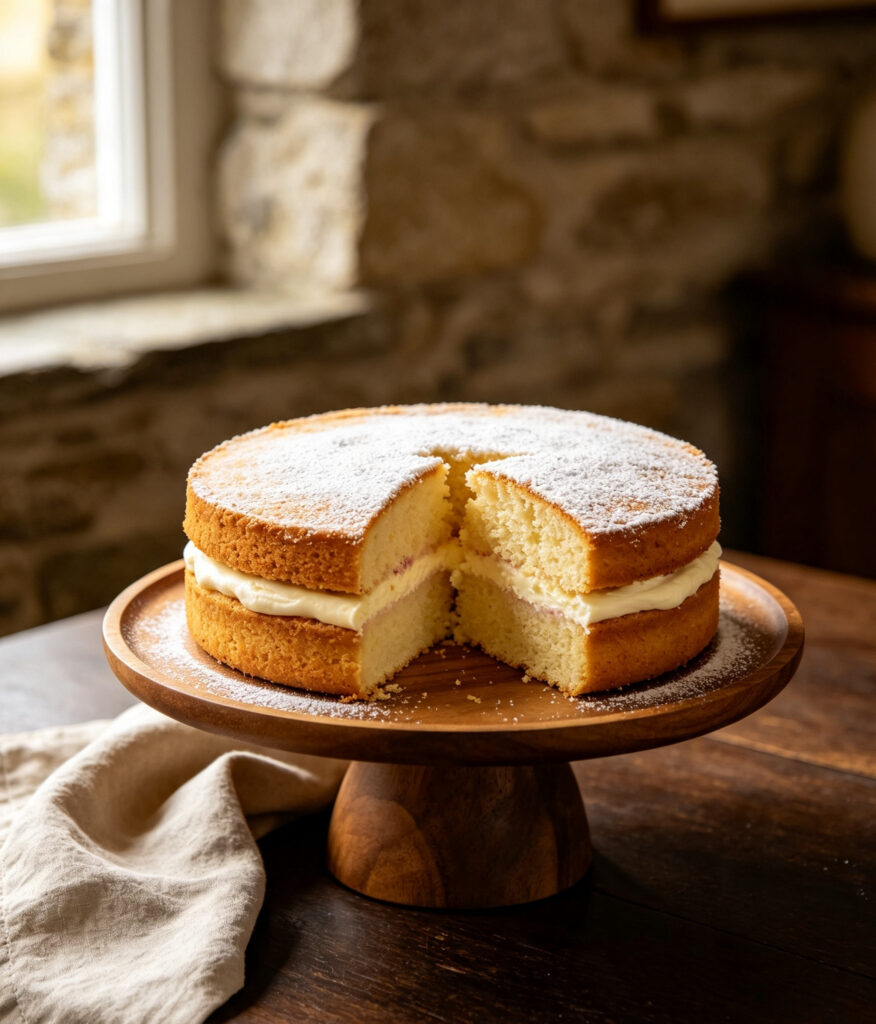
Victoria Sponge Cake (Victoria Sponge)
sjfegan
Ingredients
- 225g (1 cup) Butter, softened
- 200g (1 cup) Sugar
- 4 eggs
- 250g (2 cups) Self-raising flour
- 1 tsp vanilla extract
- 160g (1/2 cup) Raspberry or strawberry jam
- 240ml (1 cup) Whipped cream
- Icing sugar, to dust
Method
- Preheat the oven to 180°C (350°F) and grease two round cake tins.
- Cream the butter and sugar together until light and fluffy.
- Beat in the eggs one at a time, then the vanilla extract.
- Gently fold in the flour until just combined.
- Divide the batter between the two prepared tins.
- Bake for 20–25 minutes until golden and a skewer comes out clean.
- Let cool completely on a wire rack.
- Spread one cake layer with jam, top with whipped cream, and place the second layer on top.
- Dust with icing sugar before serving.
Introduction: A light, airy sponge cake sandwiched with jam and cream, named for and famously enjoyed by Queen Victoria herself, an enduring icon of British baking.
Cultural Background: The Victoria sponge is directly named for Queen Victoria, said to be a particular favourite of hers served with afternoon tea, and it remains one of the most beloved and enduring cakes of the entire Victorian culinary legacy.
Tips: Cream the butter and sugar thoroughly, as this incorporates the air essential to the sponge’s light texture. Let the cakes cool completely before filling and assembling, as warm cake will melt the cream.
Variations: Use different jam flavours according to preference. Some traditional versions omit the cream, using just jam between the layers, the true original.
Storage: Store covered in the refrigerator for up to 3 days, given the fresh cream filling.
Reheating: This dessert is served cold or at room temperature and is not reheated.
Nutrition: Per serving (approx.): 380 kcal, 6 g protein, 20 g fat, 44 g carbohydrate.
FAQs:
Q: Why is it named after Queen Victoria?
A: The cake is said to have been a favourite of the Queen, enjoyed with her afternoon tea, and it has carried her name ever since as one of the era’s most iconic desserts.
Q: Did the original recipe include cream?
A: The most traditional early versions used only jam between the layers; the addition of cream became more common over time and remains a popular variation today.
Please log in to leave a comment.