
Mains
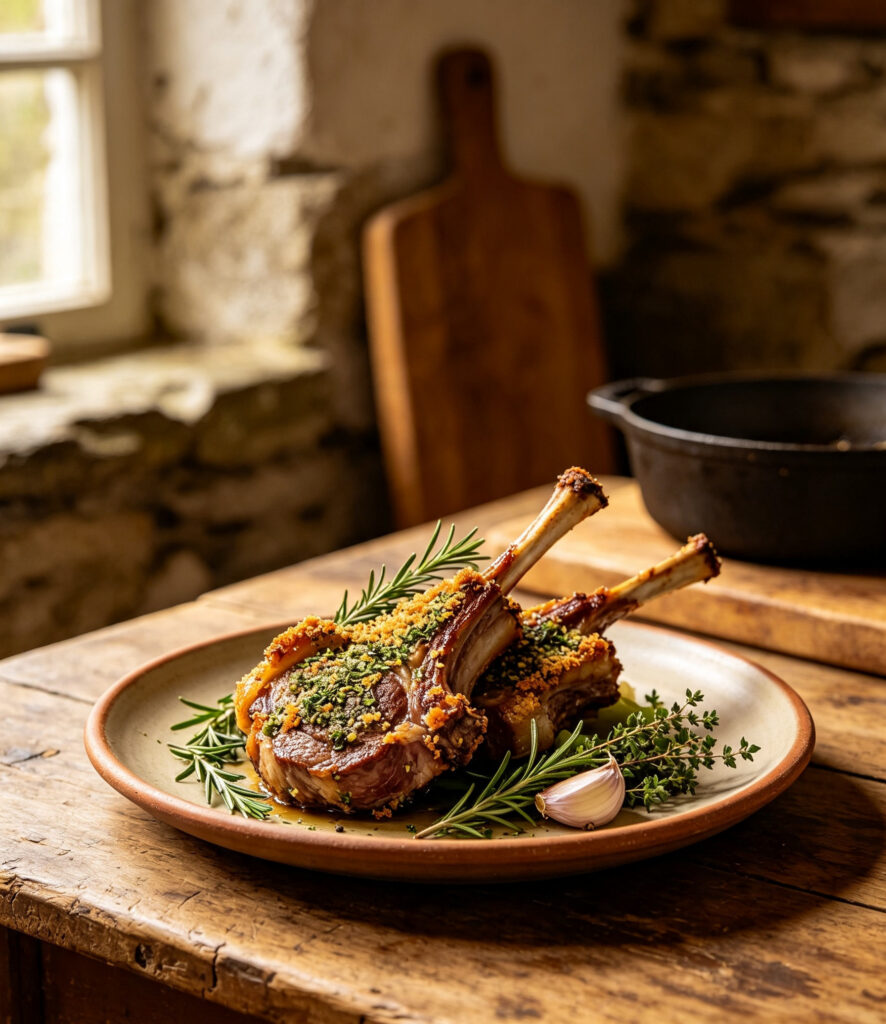
Roasted Goat with Herbs (Gedi Tsali)
sjfegan
Ingredients
- 1.5kg Goat meat, bone-in, cut into large pieces
- 60ml (1/4 cup) Olive oil
- 3 tbsp fresh oregano, chopped
- 2 tbsp fresh coriander, chopped
- 4 cloves garlic, crushed
- Salt to taste
Method
- Rub the goat meat all over with olive oil, oregano, coriander, garlic and salt.
- Let marinate for at least 2 hours, ideally overnight.
- Preheat the oven to 160°C (325°F).
- Roast the goat slowly for 2.5–3 hours until very tender, basting occasionally with the pan juices.
- Let rest for 10 minutes before serving.
Introduction: Goat meat roasted with wild herbs and olive oil, a substantial main dish reflecting the pastoral herding tradition of Carthaginian North Africa.
Cultural Background: Goats were well suited to the varied terrain surrounding Carthage, from coastal plains to more arid interior regions, providing meat, milk and other resources central to the Carthaginian pastoral economy.
Tips: Marinate for as long as possible for the deepest flavour throughout the meat. Roast low and slow, as goat meat benefits from patient, gentle cooking.
Variations: Serve alongside barley or a lentil dish for a complete meal. Adjust the herb blend according to preference.
Storage: Refrigerate leftover meat in an airtight container for up to 3 days.
Reheating: Reheat gently, covered, in an oven at 150°C (300°F) until warmed through.
Nutrition: Per serving (approx.): 380 kcal, 34 g protein, 24 g fat, 2 g carbohydrate.
FAQs:
Q: Was goat herding significant in Carthaginian society?
A: Yes, pastoral herding was well established across North African Phoenician settlements, with goats and sheep providing important sources of meat, milk and hide.
Q: What herbs were used in Carthaginian cooking?
A: Mediterranean herbs like oregano and coriander were common across the region’s ancient cuisine, well suited to the North African climate.
Please log in to leave a comment.