
Desserts
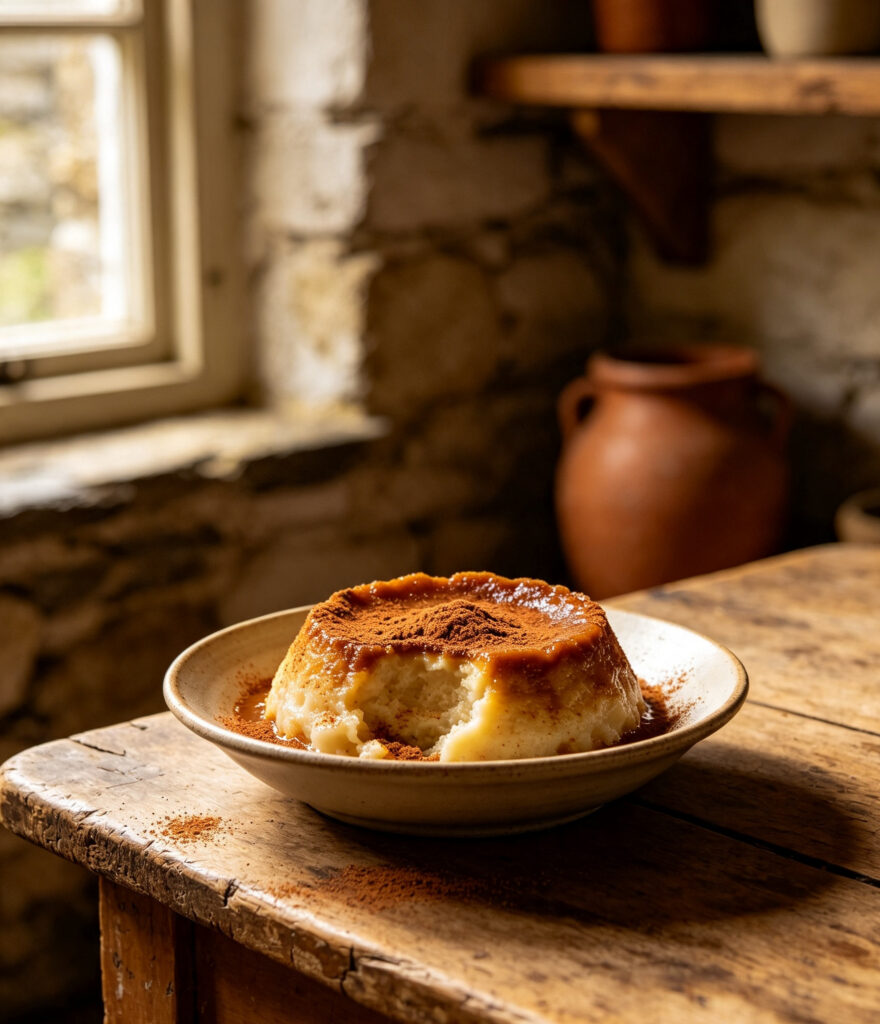
Indian Pudding (Indian Pudding)
sjfegan
Ingredients
- 70g (1/2 cup) Cornmeal
- 960ml (4 cups) Milk, divided
- 170g (1/2 cup) Molasses
- 2 tbsp butter
- 1 tsp ground ginger
- 1/2 tsp ground cinnamon
- 2 eggs, beaten
- Pinch of salt
Method
- Heat 3 cups of the milk in a saucepan until just simmering.
- Gradually whisk in the cornmeal, stirring constantly, and cook for 8–10 minutes until thickened.
- Remove from heat and stir in the molasses, butter, ginger, cinnamon and salt.
- Whisk a little of the warm mixture into the beaten eggs to temper them, then stir this back into the pot.
- Preheat the oven to 150°C (300°F).
- Pour the mixture into a greased baking dish, then pour the remaining 1 cup of milk over the top without stirring.
- Bake for 2.5–3 hours until set with a slight jiggle in the centre.
- Serve warm.
Introduction: A slow-baked cornmeal pudding sweetened with molasses, a beloved and enduring colonial dessert reflecting the New World grain colonists embraced.
Cultural Background: Indian pudding takes its name from the colonial-era term for corn (‘Indian corn’), the dish itself an adaptation of English milk puddings using cornmeal in place of wheat, becoming a particularly cherished New England dessert.
Tips: Pouring the remaining milk over the top without stirring creates the traditional layered, custardy texture. A long, slow bake is essential for this pudding’s characteristic dense, rich texture.
Variations: Serve with a scoop of vanilla ice cream, a later but beloved pairing. Adjust the spices to taste for a more or less pronounced warmth.
Storage: Refrigerate in an airtight container for up to 4 days.
Reheating: Reheat gently in an oven at 150°C (300°F) for 20–25 minutes, or serve at room temperature.
Nutrition: Per serving (approx.): 260 kcal, 8 g protein, 9 g fat, 38 g carbohydrate.
FAQs:
Q: Why is it called ‘Indian pudding’?
A: The name reflects the colonial-era term ‘Indian corn’ for maize, distinguishing this cornmeal-based pudding from traditional English wheat-based puddings.
Q: Why does it need to bake for so long?
A: The extended, slow baking time is essential for developing the pudding’s characteristic dense, rich texture and deep flavour from the molasses.
Please log in to leave a comment.