
Kao (Fermented Coconut Toddy)
The Quirky Foodster Team
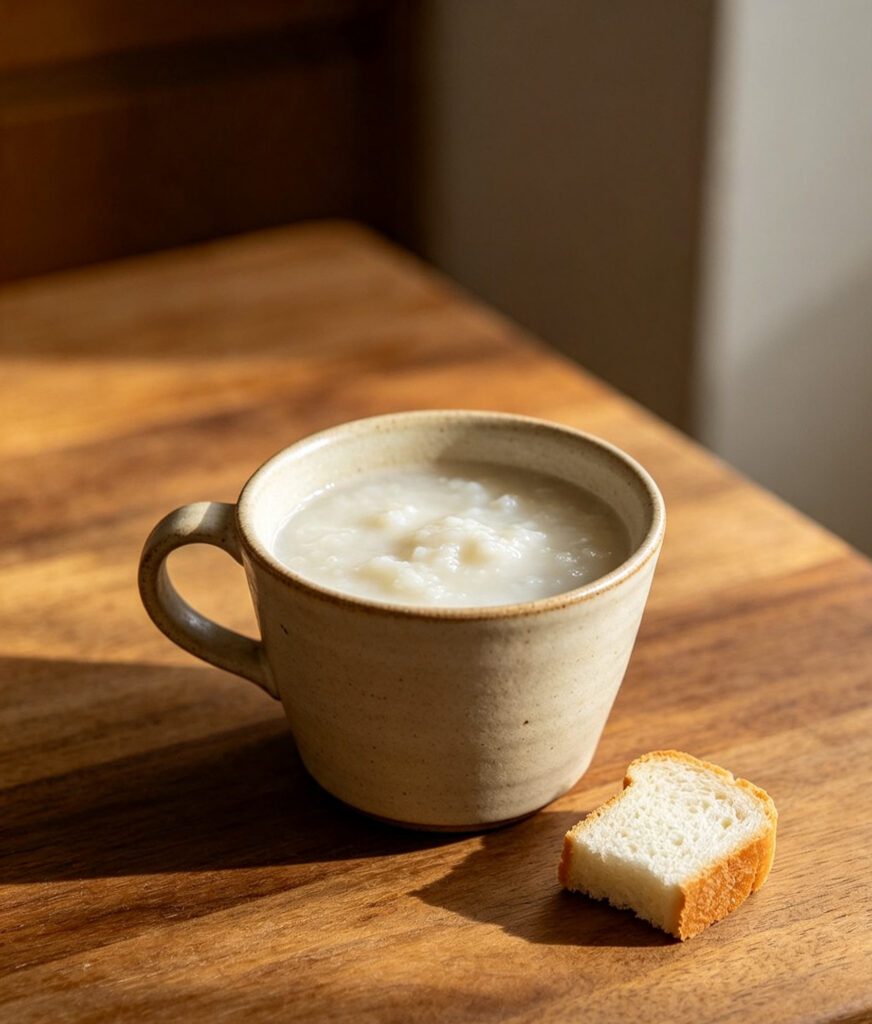
Ingredients
- Fresh coconut toddy (kaleve) — 1.5 L (6 1/3 cups)
Method
- Pour the freshly collected kaleve into a clean jar or gourd.
- Cover loosely to allow gases to escape while keeping out insects and debris.
- Leave to stand at room temperature, ideally in a cool, shaded spot, for 24-48 hours.
- Taste periodically; as it ferments, the kaleve will turn cloudier, develop a stronger aroma, and take on a mild alcoholic character.
- Once it reaches the desired strength and flavour, serve at room temperature.
Introduction: Kao is the naturally fermented version of fresh kaleve, left standing for a day or two until it develops a
mild alcoholic content and a more pungent aroma.
Cultural Background: Kao is the naturally fermented version of fresh kaleve, left standing for a day or two until it develops a
mild alcoholic content and a more pungent aroma. It is enjoyed socially among adults, particularly on
the outer islands, and reflects a long-standing, low-intervention approach to fermentation using nothing
but time and the toddy's own natural yeasts.
Tips: Use only very fresh kaleve to start the ferment, as it carries the natural yeasts needed for fermentation. Taste in small amounts as fermentation progresses, since the flavour and strength change quickly, especially in warm weather.
Variations: Ferment for a shorter time for a milder, only slightly tangy result. Some households ferment for longer for a stronger, more pungent traditional brew. Naturally vegetarian as written. Naturally vegan as written; contains no animal products. Contains alcohol from natural fermentation.
Storage: Best consumed within a day or two of reaching the desired fermentation; it continues to sour if kept
much longer.
Reheating: Served at room temperature; not suitable for reheating.
FAQs:
Q: How strong is kao compared to other alcoholic drinks?
A: It is generally a mild, naturally fermented brew, though exact strength varies with fermentation time and temperature.
Q: Is kao the same drink as kaleve?
A: No, kaleve is the fresh, unfermented sap, while kao specifically refers to the toddy once it has been left to ferment naturally.
- Fresh coconut toddy (kaleve) — 1.5 L (6 1/3 cups)
Please log in to leave a comment.