
Tua Sabu (Traditional Palm Wine)
The Quirky Foodster Team
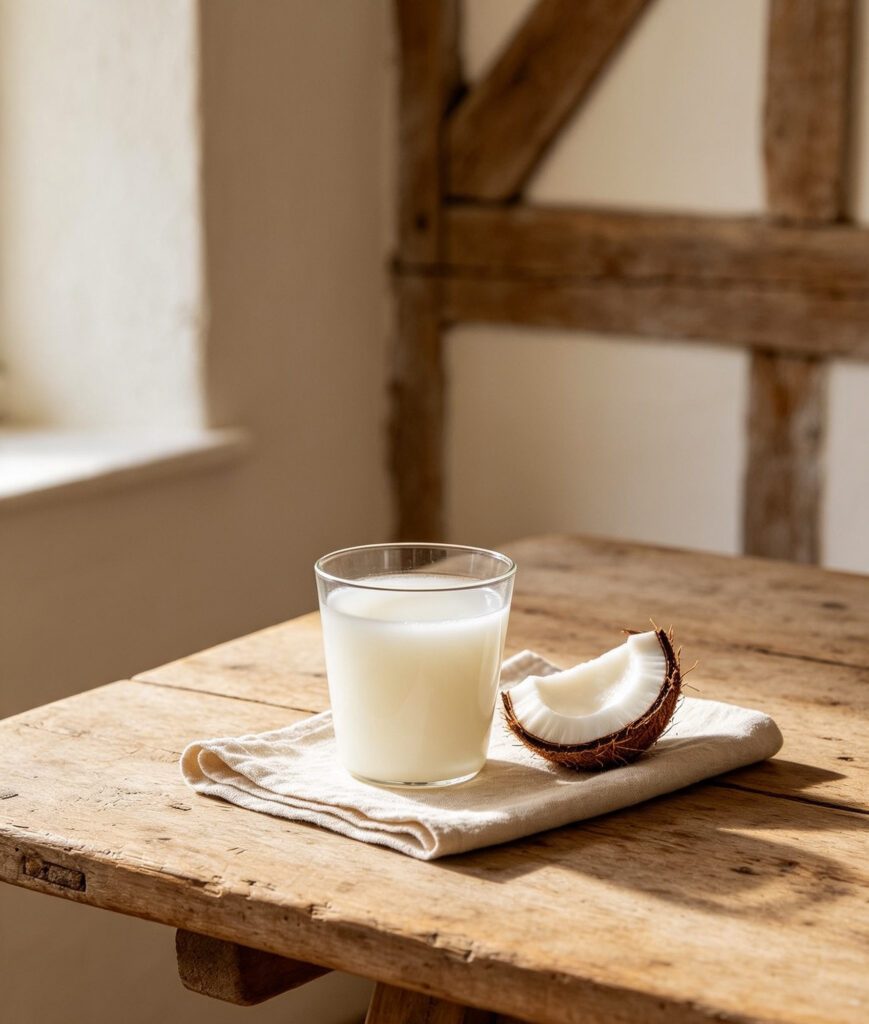
Ingredients
- Fresh palm sap (tapped from lontar or coconut palm) — 2 L (8 cups)
- Tree bark, traditionally used locally to encourage fermentation (optional, can be omitted for a home version) — a small piece
Method
- Collect fresh palm sap as soon as possible after tapping, as it begins fermenting naturally within hours due to wild yeasts present in the sap and the collection vessel.
- Strain the sap through a clean cloth into a large glass or ceramic fermentation container to remove any debris.
- Cover the container loosely with a cloth (not an airtight lid) to allow gases to escape while keeping out insects and dust.
- Leave the sap to ferment at room temperature, tasting periodically after 12–24 hours; it will become progressively more tangy, fizzy, and mildly alcoholic as fermentation continues.
- For a mild, lightly fermented drink, consume within the first 24 hours; for a stronger, more traditional version, allow fermentation to continue for up to 2–3 days, tasting regularly.
- Once the desired flavour and strength is reached, strain again if a clearer drink is preferred.
- Serve fresh in cups or traditional containers, typically shared communally at gatherings.
Introduction: Tua sabu is Timor-Leste’s traditional fermented palm wine, tapped from the sap of the lontar or coconut palm and left to ferment naturally.
Cultural Background: Tua sabu is Timor-Leste’s traditional fermented palm wine, tapped from the sap of the lontar or coconut palm and left to ferment naturally. Deeply tied to Timorese ceremonial life, it is offered at traditional rituals, weddings, and community gatherings, particularly in rural areas where palm tapping remains a living skill.
Tips: Fresh palm sap ferments quickly on its own due to naturally occurring wild yeasts — refrigeration can be used to slow fermentation once the desired taste is reached.
Variations: Some communities add a small amount of bark or root traditionally believed to encourage fermentation and add flavour complexity, though this is optional for a simple home version.
Storage: Refrigerate in a sealed container for up to 2 days; fermentation will continue slowly even when chilled, gradually changing the flavour.
Reheating: Not applicable — served fresh, cold or at room temperature.
FAQs:
Q: Is tua sabu strongly alcoholic?
A: Alcohol content is generally mild to moderate and increases the longer it ferments; freshly tapped sap has very little alcohol, while sap left for several days becomes noticeably stronger.
Q: Where does the sap come from?
A: Traditionally tapped from the flower stalks of lontar or coconut palms; fresh palm sap may be difficult to source outside palm-growing regions.
Q: Is tua sabu the same everywhere in Timor-Leste?
A: Preparation and fermentation time vary by region and community, giving it slightly different character from place to place.
- Fresh palm sap (tapped from lontar or coconut palm) — 2 L (8 cups)
- Tree bark, traditionally used locally to encourage fermentation (optional, can be omitted for a home version) — a small piece
Please log in to leave a comment.