
Drinks
Liberian Palm Wine
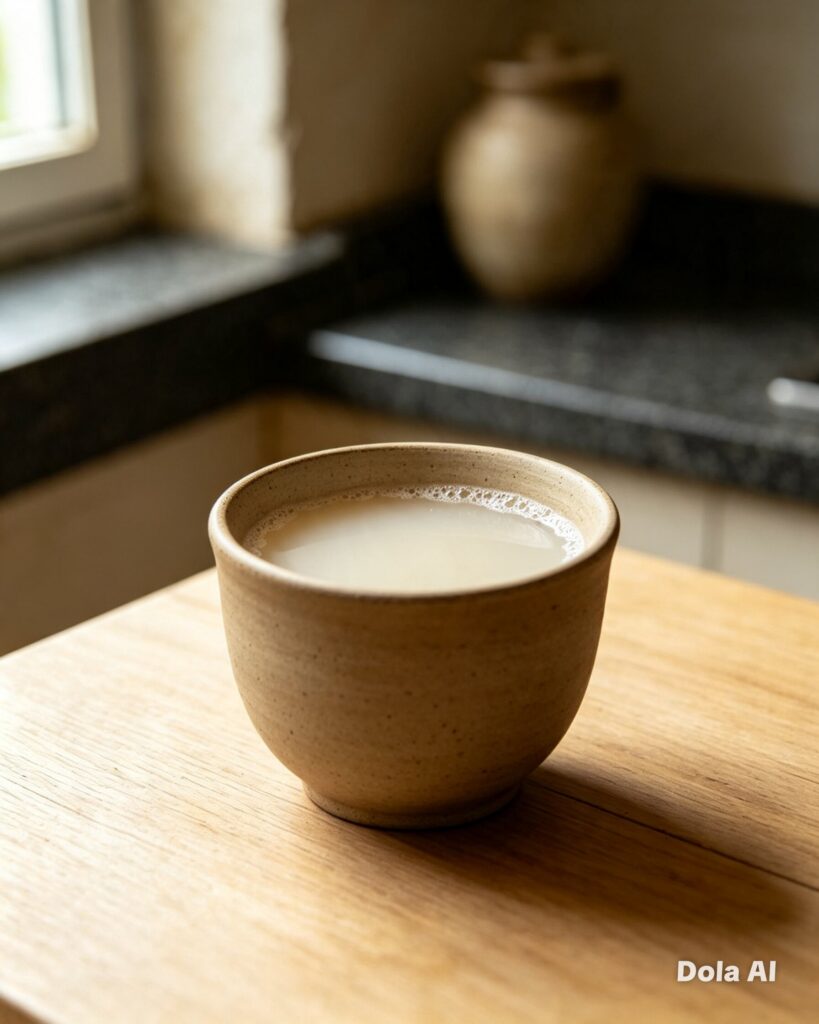
Ingredients
- 1 liter (4 cups) freshly tapped palm sap (from raffia or oil palm)
Method
- Tap the palm tree using the traditional method, collecting the sap into a clean container, typically over several hours.
- Strain the collected sap through cheesecloth to remove any bark or debris.
- Allow the sap to sit at ambient tropical temperature; natural airborne yeasts begin fermentation within a few hours.
- Taste periodically: freshly collected sap is sweet and mild, while sap left for several more hours develops a fizzy, tangier, more alcoholic character.
- Serve fresh in a calabash or glass once it reaches your preferred level of fermentation.
Introduction: Palm wine is a naturally fermented, slightly sweet and fizzy drink tapped directly from the sap of palm trees, with deep roots in Liberian rural and ceremonial life.
Cultural Background: Palm wine is a naturally fermented, slightly sweet and fizzy drink tapped directly from the sap of palm trees, with deep roots in Liberian rural and ceremonial life. Served fresh at celebrations, naming ceremonies, and social gatherings, its flavor and potency shift throughout the day as fermentation naturally progresses from sweet and mild in the morning to sharper and more alcoholic by evening.
Tips: Palm wine is best enjoyed the same day it's tapped, as fermentation continues to intensify and can become quite sour after a day or two. Serve unchilled or lightly chilled, as is traditional, rather than heavily iced.
Variations: Some households add a small amount of sugar to freshly tapped sap to encourage a slightly sweeter fermentation. Palm wine can be gently distilled by some communities into a stronger spirit, though the fresh, fermented form is the traditional drinking version.
Storage: Best consumed within 24 hours of tapping; refrigeration slows but does not stop the ongoing fermentation.
Reheating: Not applicable — served fresh or lightly chilled.
FAQs:
Q: Is palm wine always alcoholic?
A: Freshly tapped sap has very low alcohol content, which increases naturally as wild fermentation progresses over hours.
Q: Can palm wine be made outside a tropical climate?
A: Not authentically — it requires access to living palm trees that can be tapped for fresh sap.
Please log in to leave a comment.