
Desserts
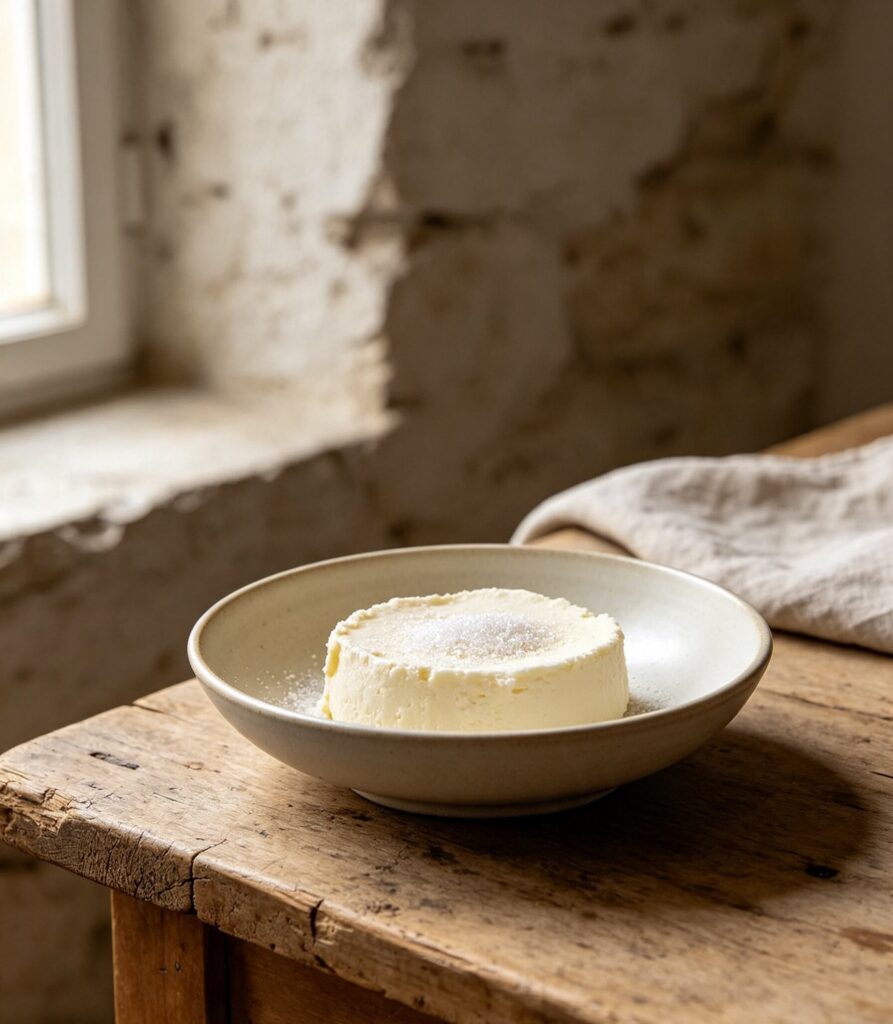
Irimshik
Ingredients
- 2 litres (8 cups) whole milk
- 150 g (3/4 cup) sugar
- 1 tbsp lemon juice or a splash of ayran (fermented milk), to help curdling
- 1/4 tsp salt
Method
- Pour the milk into a large heavy-bottomed pot and bring to a gentle simmer over medium heat, stirring occasionally to prevent scorching.
- Add the sugar and salt, and continue simmering, stirring frequently, for about 1.5-2 hours, as the milk gradually reduces and thickens.
- Once the mixture turns golden and begins to separate into soft curds, add the lemon juice or ayran to help the curds form fully.
- Continue cooking, stirring constantly now to prevent sticking, for another 15-20 minutes, until the mixture is thick, sticky, and deep golden-brown.
- Pour the hot mixture into a cheesecloth-lined shallow dish and press down to compact it evenly.
- Let it cool completely at room temperature, then cut into small squares or bite-sized pieces to serve.
Introduction: Irimshik is a sweet, dense curd treat made by slowly cooking milk with sugar until it separates and caramelises into soft, chewy curds.
Cultural Background: Irimshik is a sweet, dense curd treat made by slowly cooking milk with sugar until it separates and caramelises into soft, chewy curds. A traditional way to use surplus milk during the abundant summer pasture season, it has a rich, toffee-like flavour and is often shaped into small bites or pressed into blocks to share with family and guests.
Tips: Stir more and more frequently as the mixture thickens toward the end of cooking, since it can catch and burn quickly once most of the liquid has evaporated.
Variations: Some versions add a handful of raisins or chopped nuts before pressing the mixture into the dish.
Storage: Store in an airtight container in the refrigerator for up to 1 week.
Reheating: Not applicable; irimshik is served cold or at room temperature.
FAQs:
Q: How long does irimshik take to make?
A: The slow reduction of milk takes patience, around 2 hours of simmering and stirring, but the process is largely hands-off aside from occasional stirring until the final stage.
Q: Can I use low-fat milk?
A: Whole milk gives the best flavour and texture; low-fat milk will yield a less rich, slightly drier result.
Please log in to leave a comment.