
Mains
Palusami (Taro Leaves Baked in Coconut Cream) – National Dish
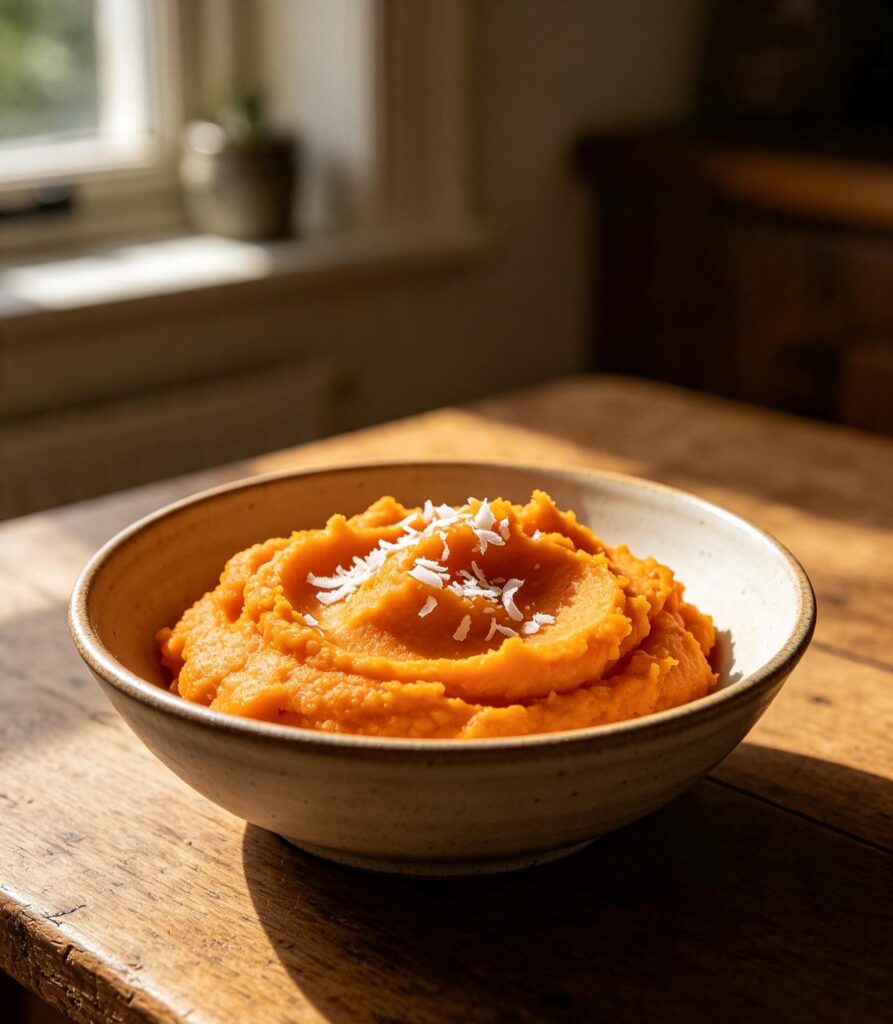
Ingredients
- 20-24 young taro leaves, stems trimmed
- 500 ml (2 cups) coconut cream
- 1 small onion, finely chopped
- 2 cloves garlic, crushed
- 200 g (7 oz) canned meat or fresh reef fish, chopped (optional)
- 1 tsp curry powder
- 1/2 tsp sea salt
- Banana leaves, softened over a flame, for wrapping
Method
- Rinse taro leaves well and pat dry; stack 5-6 leaves per parcel, layering them to form a cup shape.
- Mix coconut cream with onion, garlic, curry powder, salt and the canned meat or fish if using.
- Spoon the filling into the centre of the stacked taro leaves and fold them over to enclose it, forming a parcel.
- Wrap each parcel in softened banana leaf and secure with string.
- Steam for 1.5-2 hours, or bake at 160°C (320°F) for about 1.5 hours, until the taro leaves are fully tender (undercooked taro leaves can irritate the throat, so cook thoroughly).
- Unwrap and serve warm, spooning any remaining coconut cream over the top.
Introduction: Palusami is widely regarded as the national dish of Kiribati.
Cultural Background: Palusami is widely regarded as the national dish of Kiribati. Young taro leaves are layered and filled with rich coconut cream, then traditionally wrapped in banana leaves and cooked in an underground earth oven (umu/te umu) for communal feasts known as botaki. The dish is considered a centrepiece of hospitality, and sharing it at a maneaba (meeting house) gathering embodies the country's strong communal culture.
Tips: Taro leaves must be cooked thoroughly — undercooking leaves behind calcium oxalate crystals that can cause an itchy or irritated throat.
Variations: A vegetarian version omits the meat or fish and adds extra onion and curry powder for depth; some households add finely chopped chilli for heat.
Storage: Refrigerate leftovers up to 3 days in an airtight container.
Reheating: Steam gently for 10-15 minutes or microwave covered for 3-4 minutes until heated through.
FAQs:
Q: Can spinach or silverbeet replace taro leaves?
A: They can in a pinch, but the flavour and traditional texture differ; taro leaves are authentic.
Q: Why must taro leaves be cooked so long?
A: Raw or undercooked taro leaves contain compounds that irritate the mouth and throat; thorough cooking neutralises this.
Please log in to leave a comment.