
Breakfast
Kama Pudru (Kama Porridge with Buttermilk)
The Quirky Foodster Team
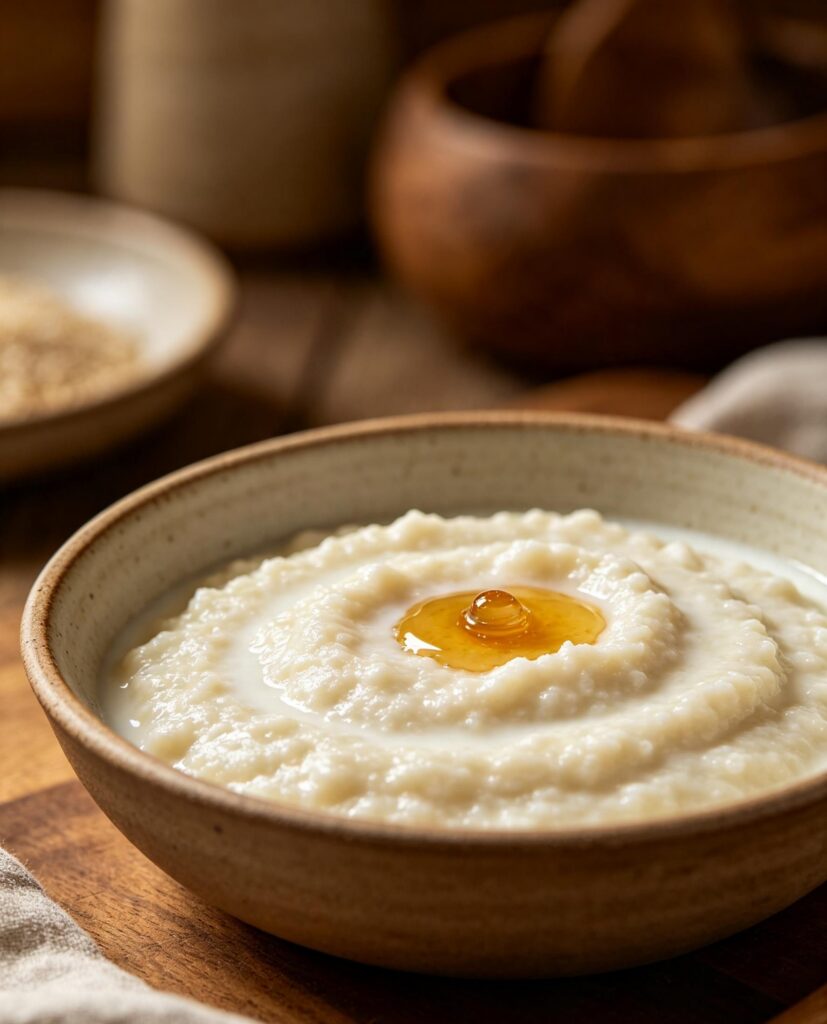
Ingredients
- 150 g (1 1/4 cups) Kama flour (roasted grain-pea mix)
- 600 ml (2 1/2 cups) Buttermilk
- 2 tbsp Honey
- 100 g (3/4 cup) Fresh berries (bilberries or lingonberries)
- 1 pinch Salt
Method
- Pour the buttermilk into a mixing bowl.
- Sprinkle the kama flour over the buttermilk gradually while whisking, to avoid lumps.
- Let the mixture stand for 3 to 5 minutes so the flour softens and the porridge thickens.
- Stir in the honey and a pinch of salt.
- Spoon into bowls and top with fresh berries before serving.
Introduction: Kama is a roasted mix of barley, rye, oat and pea flour that is one of Estonia's oldest foods, with roots going back centuries among peasant households who needed a filling, portable ration.
Cultural Background: Kama is a roasted mix of barley, rye, oat and pea flour that is one of Estonia's oldest foods, with roots going back centuries among peasant households who needed a filling, portable ration. Traditionally stirred into soured milk or buttermilk until thick enough to eat with a spoon, it was once a staple during the busy spring sowing season and remains a nostalgic breakfast today.
Tips: Add the kama flour slowly in stages rather than all at once to prevent clumping. Use well-chilled buttermilk for the most refreshing, traditional texture. If kama thickens too much on standing, loosen it with a splash more buttermilk.
Variations: Use plant-based buttermilk alternative (soy or oat-based) for a dairy-free version. Some households sweeten with jam instead of honey. A savoury version omits honey and adds a pinch more salt. Naturally vegetarian; for a vegan version use a fortified oat or soy buttermilk alternative in place of dairy buttermilk, keeping the same method and proportions.
Storage: Best eaten fresh, but leftovers keep covered in the refrigerator for up to 1 day.
Reheating: This dish is served cold and is not reheated; stir well before eating if separation occurs.
FAQs:
Q: Can I make my own kama flour?
A: Traditionally it is milled from roasted barley, rye, oats and dried peas; it can be bought ready-made in Estonian and Baltic grocers or ordered online.
Q: Why does kama thicken so quickly?
A: The roasted grain and pea flours absorb liquid fast, which is why it is whisked in gradually and rested briefly before serving.
Please log in to leave a comment.