
Mains
Aliter Baedinum vel Agninum (Braised Lamb with Cumin and Wine)
The Quirky Foodster Team
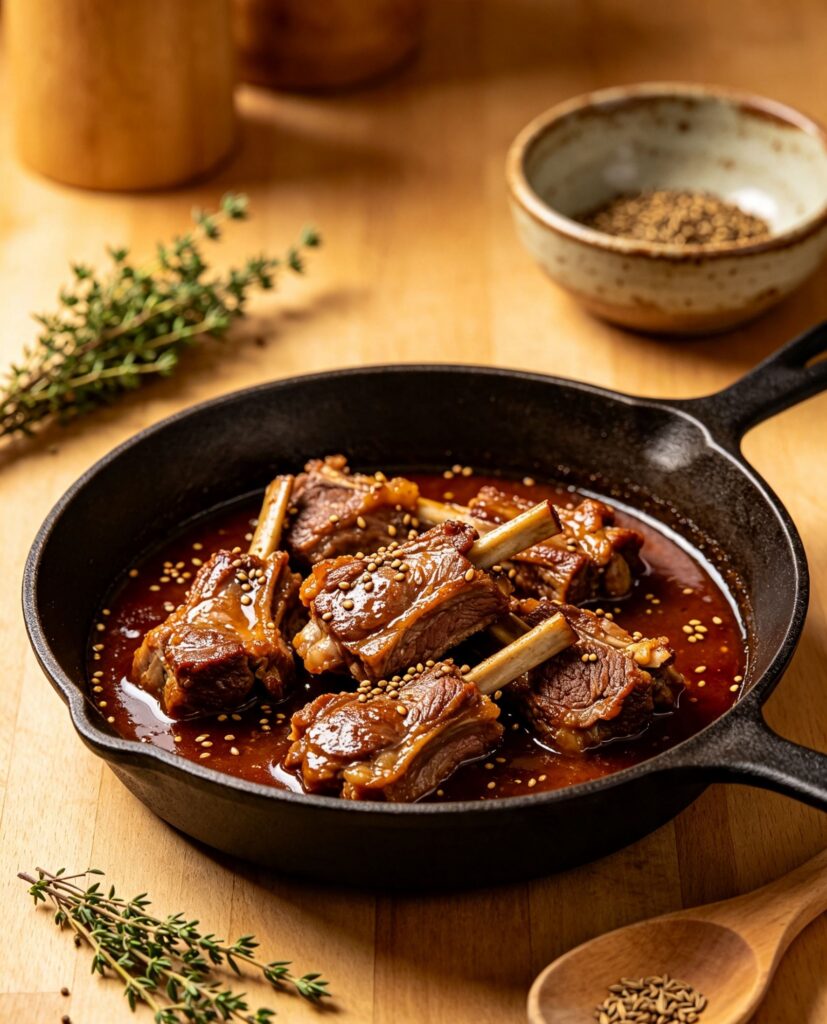
Ingredients
- 1kg Lamb shoulder, cut into large chunks
- 250ml Dry white wine
- 250ml Water
- 2 tsp ground cumin
- 1 tsp ground coriander seed
- 2 garlic cloves, crushed
- 15ml Fish sauce
- 30ml Olive oil
- 1 tbsp cornflour, to thicken (1 tbsp cornstarch, to thicken)
- Salt and pepper, to taste
Method
- Heat the olive oil in a large casserole dish and brown the lamb chunks well on all sides. Remove and set aside.
- Add the garlic to the dish and cook for 30 seconds, then return the lamb.
- Pour in the wine and water, add the cumin, coriander and fish sauce, and bring to a simmer.
- Cover and braise on low heat for 1 1/4 hours, until the lamb is very tender.
- Mix the cornflour with a little cold water to a smooth slurry, stir into the braising liquid, and simmer uncovered for 5 minutes until the sauce thickens. Season with salt and pepper before serving.
Native Name: Aliter Baedinum vel Agninum
Cultural Background: The Apicius collection includes several variations for cooking kid goat and lamb, generally titled 'aliter' (another way), showing how the same core method – long braising with wine, cumin and a thickened finishing sauce – was adapted with whatever meat was on hand.
Tips: Low and slow is key – resist the urge to raise the heat, as a gentle simmer is what makes the lamb fall-apart tender.
Variations: The original title notes this method suits either kid goat or lamb – goat shoulder can be substituted directly with the same timings.
Vegetarian / Vegan Note: Not suitable as written; the dish is built around braised meat.
Storage: Store covered in the refrigerator for up to 3 days, or freeze for up to 3 months.
Reheating: Reheat gently in a covered pan over medium-low heat, stirring occasionally, until piping hot throughout.
Nutrition: Approx. 460 kcal, 34 g protein, 6 g carbohydrate, 30 g fat per serving.
FAQs:
Q: What does 'aliter' mean in the recipe name?
A: It's Latin for 'in another way', a heading Apicius used for variant methods of cooking the same core ingredient.
Q: Can I use red wine instead of white?
A: White wine is closer to the original; red wine will darken the sauce and add a heavier flavour.
Please log in to leave a comment.